Poured-in-Place Rubber, How It Works
Written by the crew that installs it
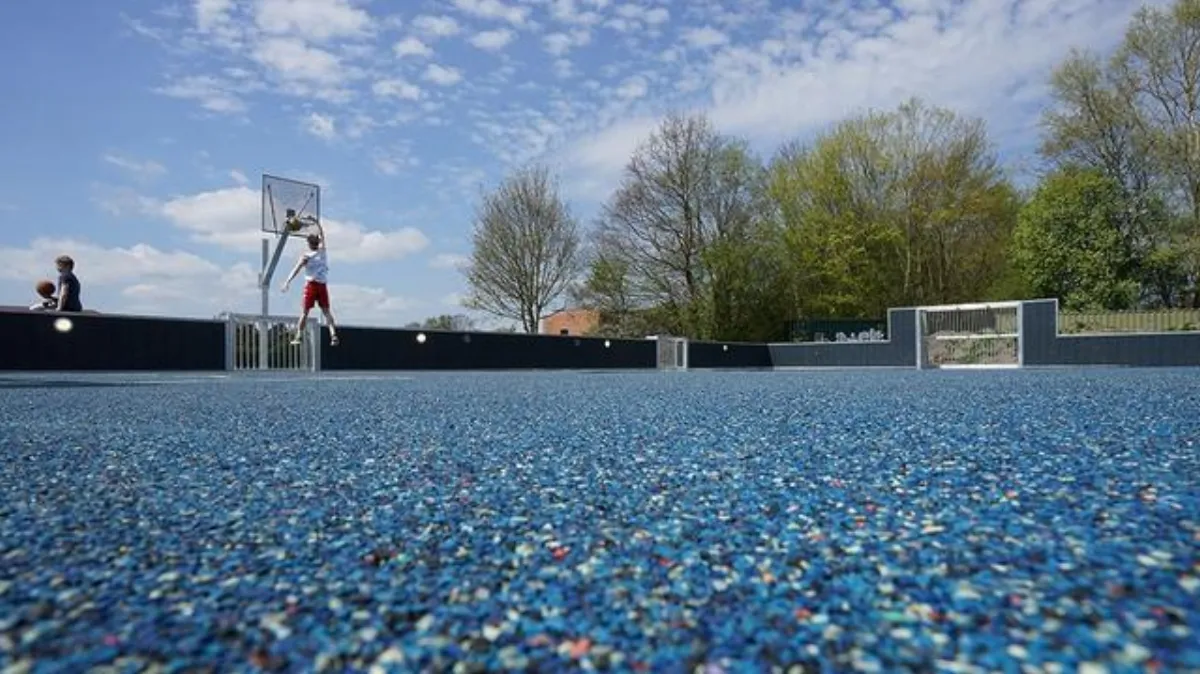
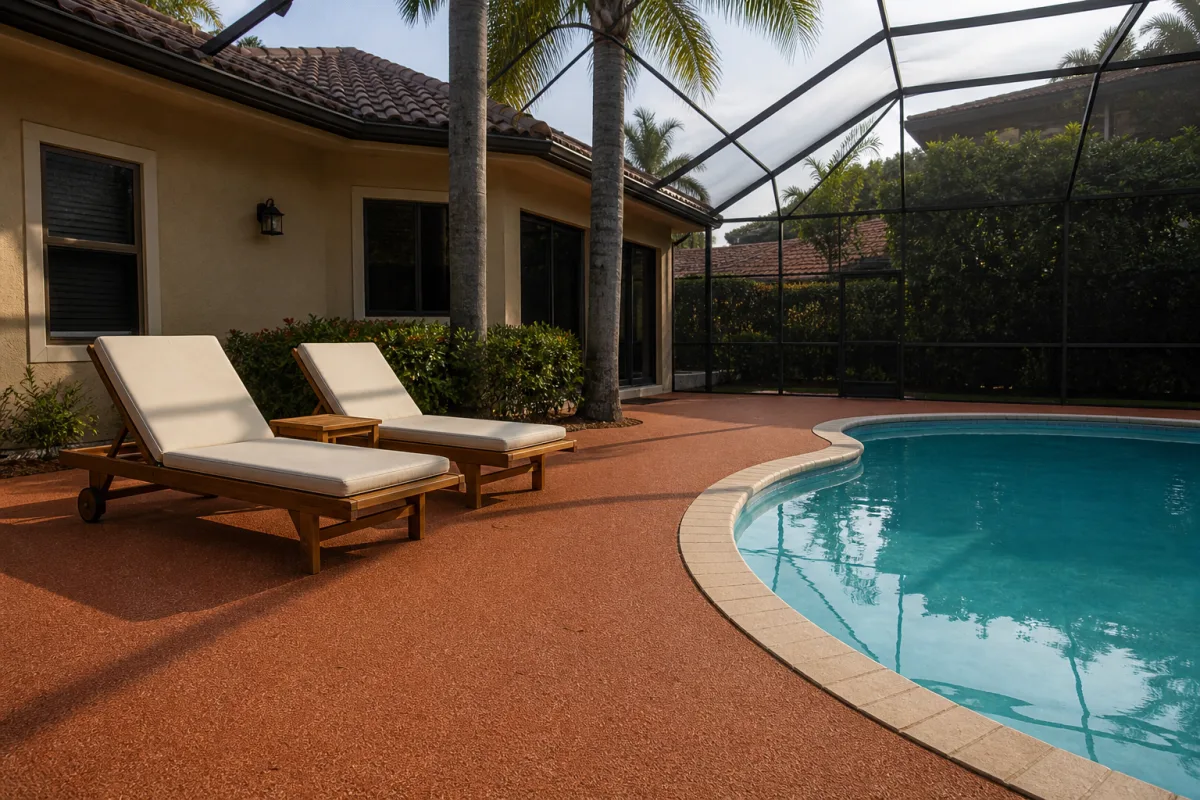
Poured in place rubber is mixed on site from rubber granule and polyurethane binder, then troweled over a prepared base as one continuous sheet with no joints. Walkways and pool surrounds are laid 0.4 to 0.6 inch deep, sports courts 0.6 to 0.75 inch, and playgrounds 1.5 to 4 inches depending on the fall height the surface has to protect against. A correctly installed surface lasts 10 to 15 years.
A poured in place rubber surface is mixed on site and laid as a single continuous sheet. Granules are blended with a polyurethane binder, spread over a prepared base, troweled to a set depth and left to cure. The result is monolithic, with no tiles, no joints, no edges to lift or trip on and no gaps for weeds to find.
Poured rubber and stone carpet surfaces. 1.6 million sq ft placed by this crew since 2013, internationally.
What poured rubber is made of
- SBR granules. Recycled tire rubber, black, tough and economical. Used for base layers and for surfaces where color is not part of the brief.
- EPDM granules. Virgin synthetic rubber colored all the way through. UV stable, so the color holds under direct Florida sun. Roughly 2 to 3 times the cost of SBR.
- Polyurethane binder. Single component and moisture cured. Aliphatic grades are specified for exposed top layers because they do not yellow in sunlight.
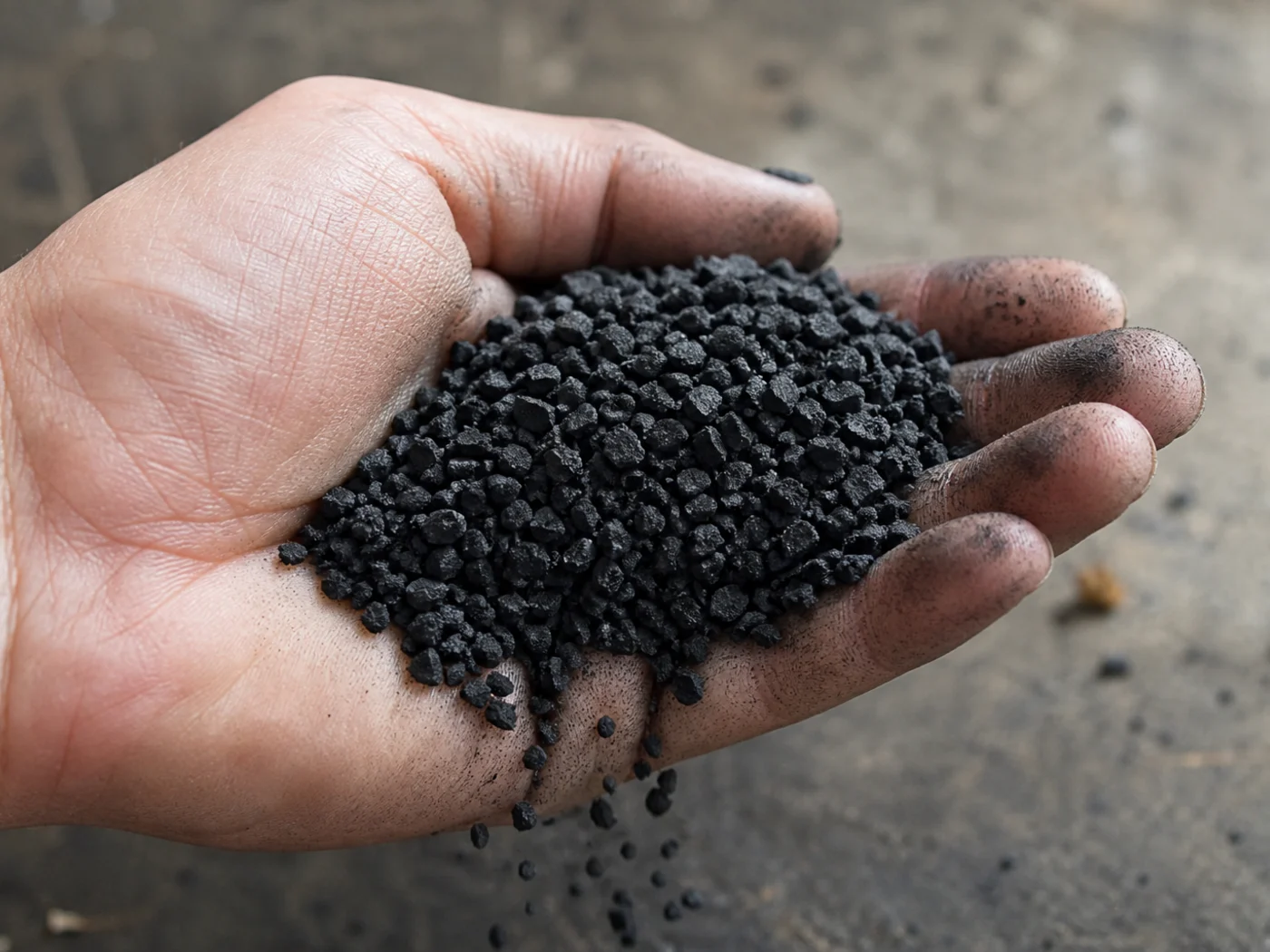
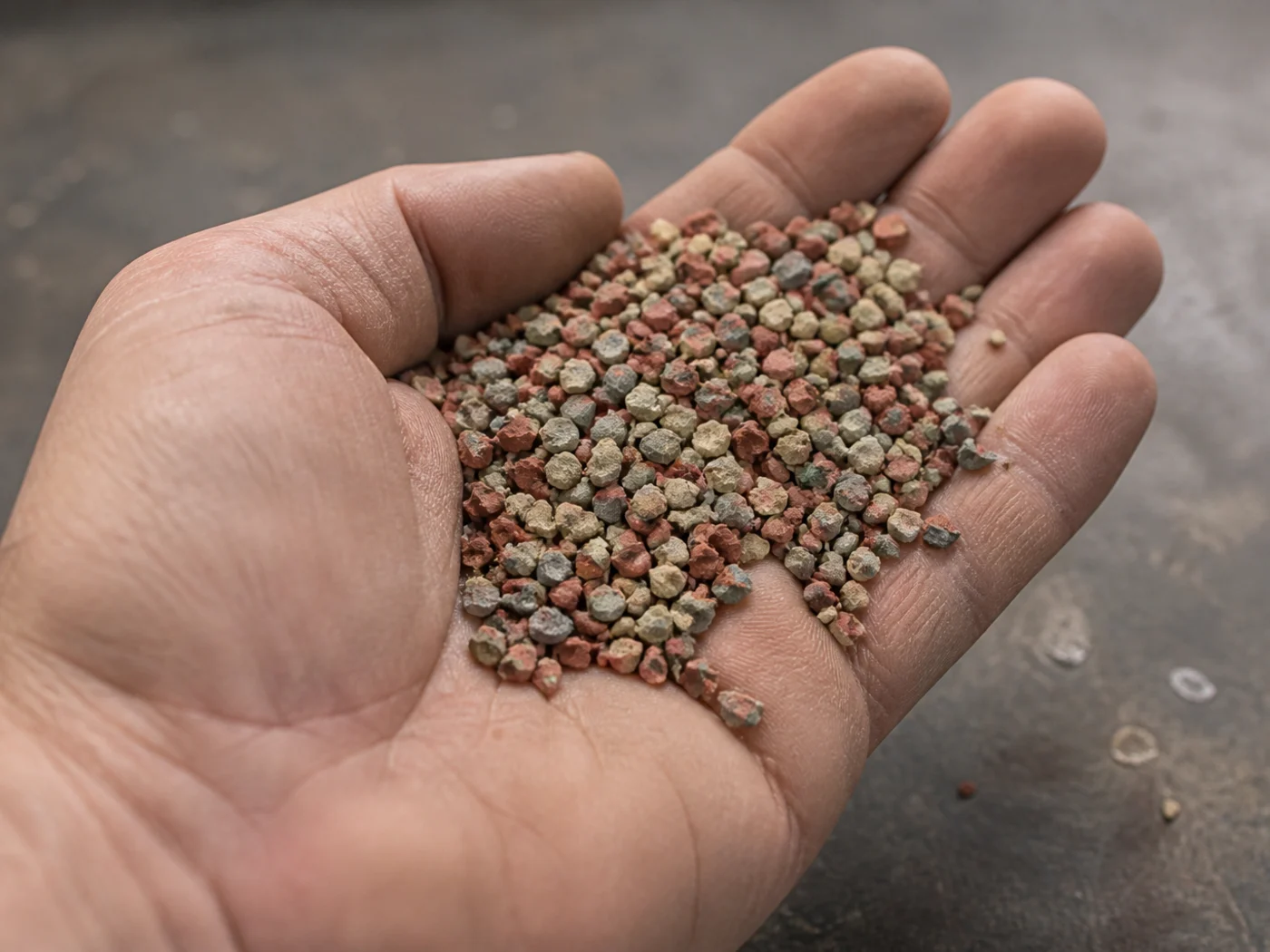
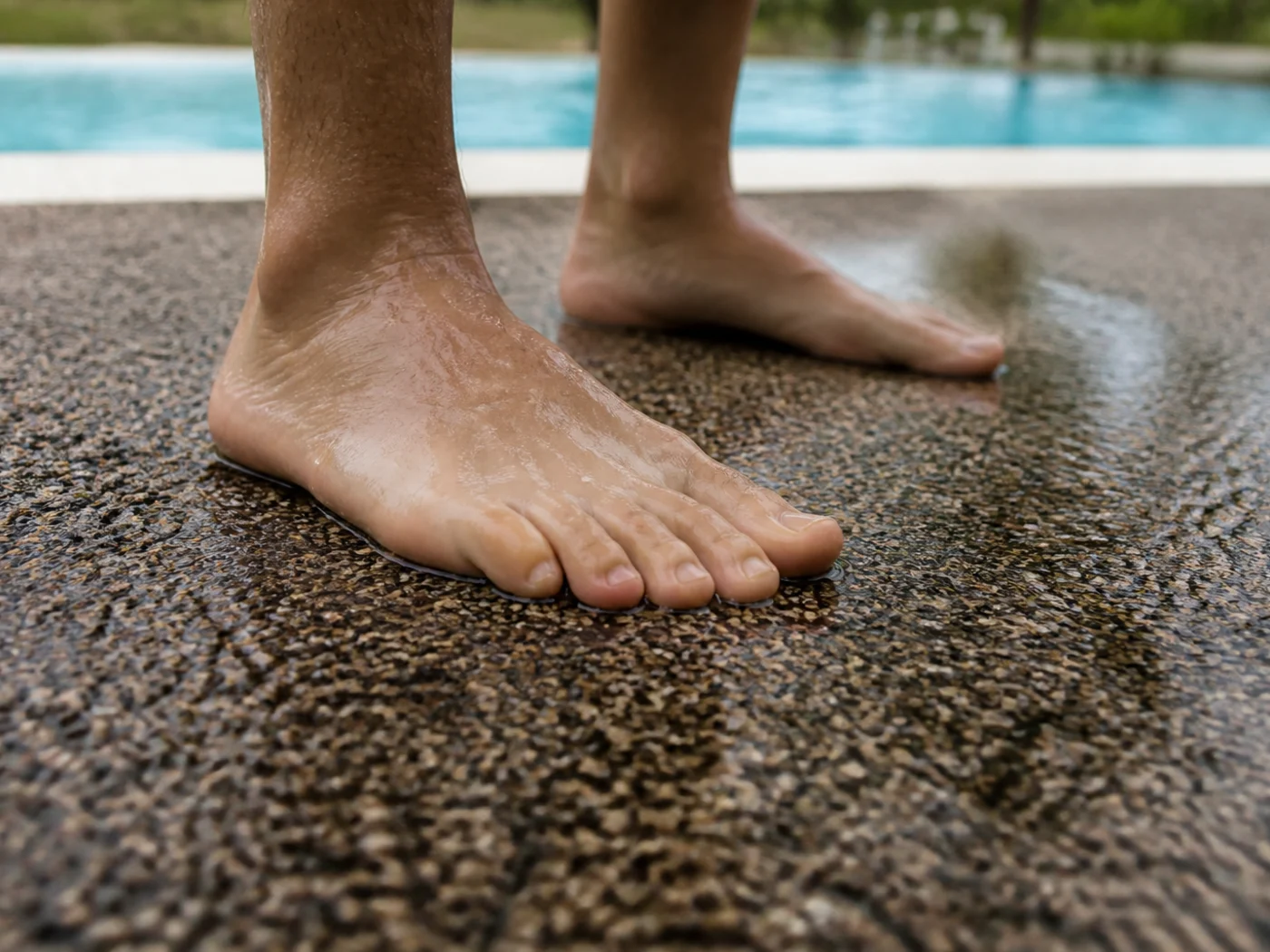
The finished surface stays porous. Rain passes straight through the granule matrix into the base below, which is why a poured rubber deck drains during a downpour instead of holding puddles, and why it is walkable again within minutes of the rain stopping.
Binder ratio decides how much of that porosity survives. Too little binder and the granules shed underfoot, too much and the pores close and the deck sheets water like concrete.
Single layer and 2-layer systems
A pool deck or patio is built about 0.6 inch deep. Sports courts run 0.75 inch and above, and playgrounds are set by the fall height of the equipment.
Systems are named for the number of layers laid in one operation.
- 1S, a single layer. One homogeneous layer, usually SBR, or EPDM where color has to run through the full depth. Simple, fast and the lowest material cost.
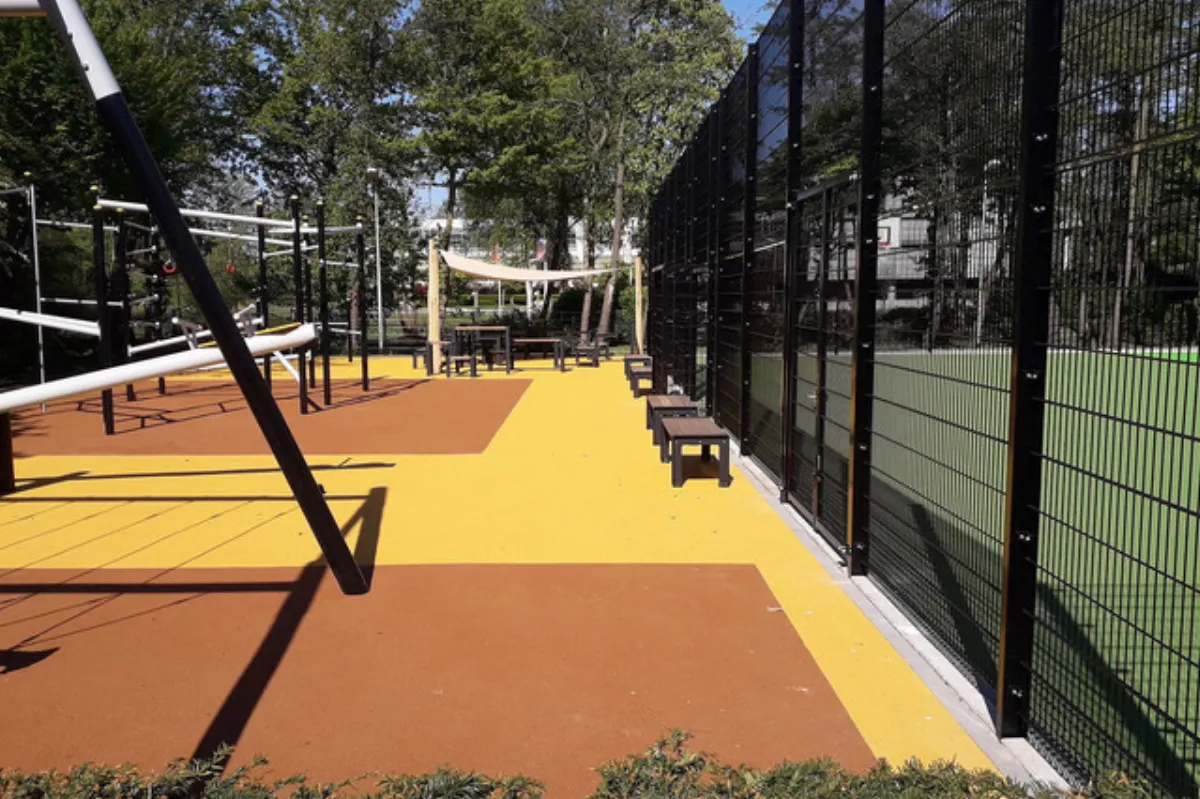
- 2S, 2 layers. A thick SBR base that carries the shock absorption, capped with a thin colored EPDM wear layer, typically 0.4 inch. This is the standard playground build, since most of the impact performance comes from the cheaper base while color and UV resistance come from the top.
| System | Composition | Thickness | Typical use |
|---|---|---|---|
| 1S SBR | Black SBR | 0.4 to 0.75 inch | Sports areas, yards, service areas, parking aprons |
| 1S EPDM | Colored EPDM | 0.4 to 0.75 inch | Multi sport courts where color runs full depth |
| 2S | SBR base with an EPDM wear layer | 1.5 to 4 inches | Playgrounds and use zones under equipment |
| 2S EPDM | EPDM base with an EPDM wear layer | 1.5 to 4 inches | Premium installations with color throughout |
What thickness each use needs
Thickness is not a style choice. It is set by what the surface has to do.
- Walkways, yards and pool surrounds. 0.4 to 0.6 inch, enough for comfort and grip without adding cost.
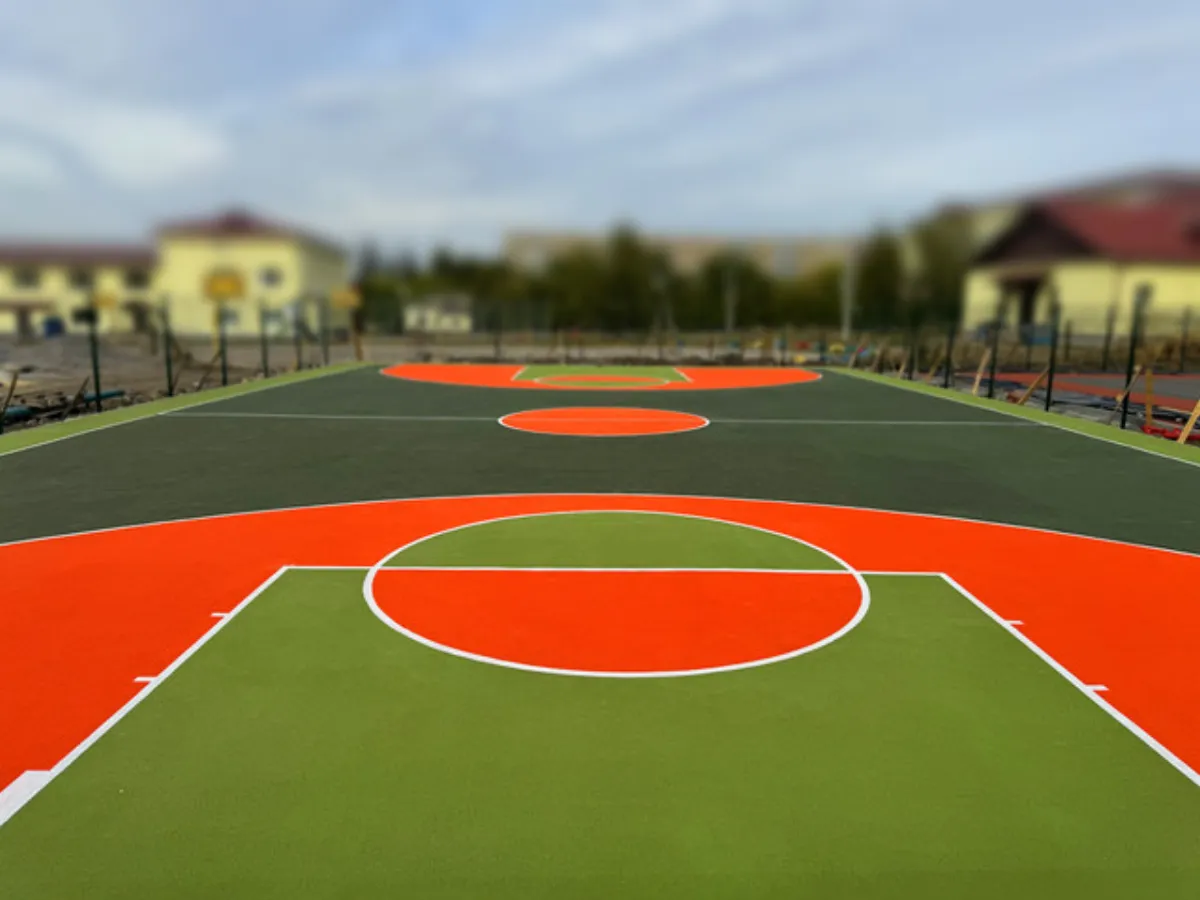
- Sports courts. 0.6 to 0.75 inch. Workout zones with dropped weights go to 0.75 inch and above, and the governing body spec for the sport sets any shock absorption and ball rebound values the surface has to hit.
- Running tracks. An SBR base of 0.4 to 0.5 inch with an EPDM finish or a sprayed polyurethane top coat, laid by paving machine for a consistent profile.
- Playgrounds. 1.5 to 4 inches, set by the fall height of the tallest piece of equipment and verified against ASTM F1292 critical height data.
Under ASTM F1292 a 2 foot fall height calls for about 1.5 inches, 3.5 feet for 2.5 inches, 5 feet for 3.25 inches and 10 feet for 4 inches. Those depths are a planning guide, because the rating belongs to the tested system rather than to the granule, and the manufacturer test report is what settles the final number.
Why 2 rubber decks can be priced apart
Quotes for what looks like the same surface can differ by a factor of 2 or more. 4 variables account for nearly all of it.
- Granule type. SBR is recycled and cheap. EPDM is manufactured, colored and UV stable, and costs several times more per pound.
- Layer thickness. Material consumption scales directly with depth. A 0.4 inch sports deck and a 4 inch fall height deck are different projects.
- Number of layers. A 2S build adds a second mix, a second pass and a second material to the schedule.
- Area. Below roughly 500 square feet, mobilization and setup dominate the rate per square foot. Above about 1,000 square feet the rate flattens out.
Base condition is the variable that moves a quote after the fact. Grinding, patching and re-sloping a tired slab is priced from the site visit, not discovered halfway through the pour.
How it compares with pavers and concrete
| Criterion | Poured rubber | Pavers | Concrete and asphalt |
|---|---|---|---|
| Fall protection | Absorbs impact | Hard | Hard |
| Joints and weeds | Seamless, nothing to grow through | Joints let weeds through | Cracks open over time |
| Wet traction | Textured and non slip | Slick when wet | Slick when wet |
| Drainage | Water permeable | Partial, through the joints | Runs off to the low point |
| Maintenance | Rinse and clear debris | Reset and replace units | Patch and crack fill |
| Color and design | EPDM in any color, inlays and markings | Limited palette | Gray |
| Service life | 10 to 15 years | 7 to 12 years | 5 to 10 years |
What base the surface needs
3 bases are workable, and the base dictates the minimum thickness above it.
- Concrete. From 0.4 inch of rubber. Ground, cleaned and primed before the pour.
- Asphalt. From 0.4 inch, and at least 10 days old so it has stopped off gassing. Primed the same way.
- Compacted crushed stone and sand. From 0.75 inch, with a 1 to 2 percent fall built into the base so water keeps moving.
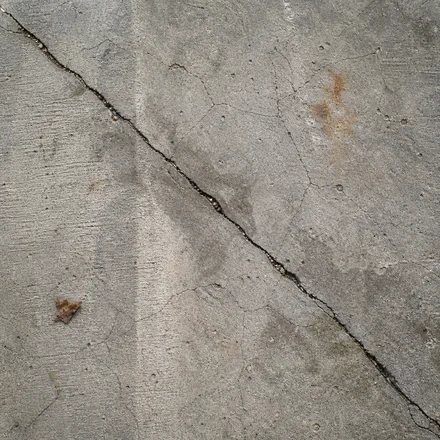
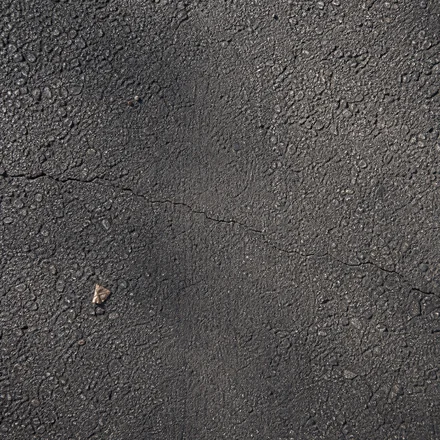
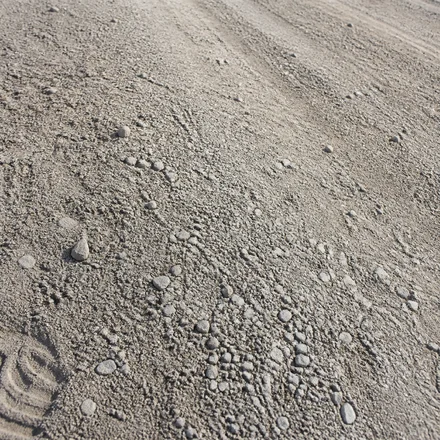
The base has to be level to within about 0.12 inch over 3 feet, clean and dry. Priming on concrete and asphalt is not optional, since it is what keeps the rubber bonded when the slab heats and moves through a Florida summer.
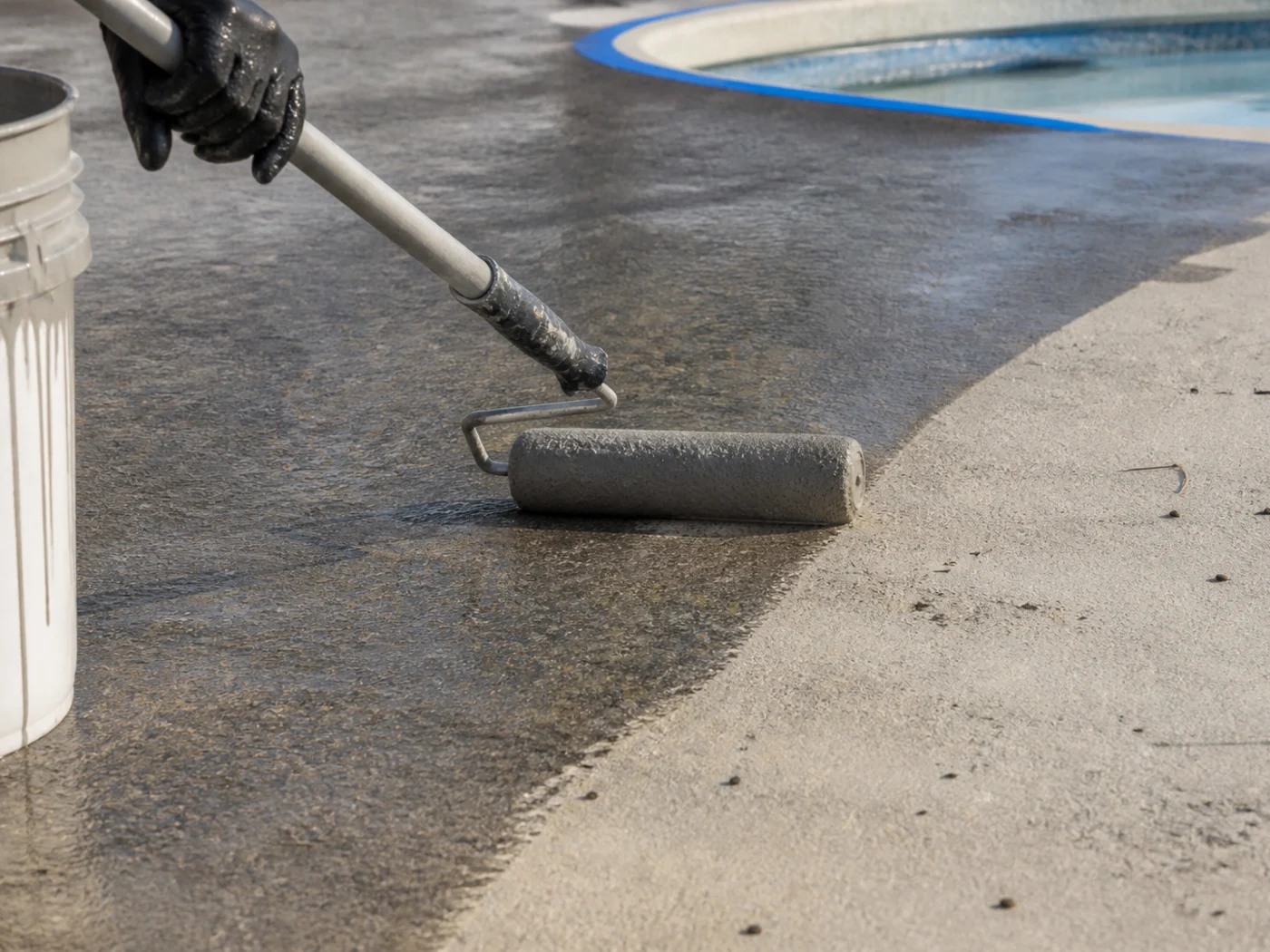
How the surface goes down
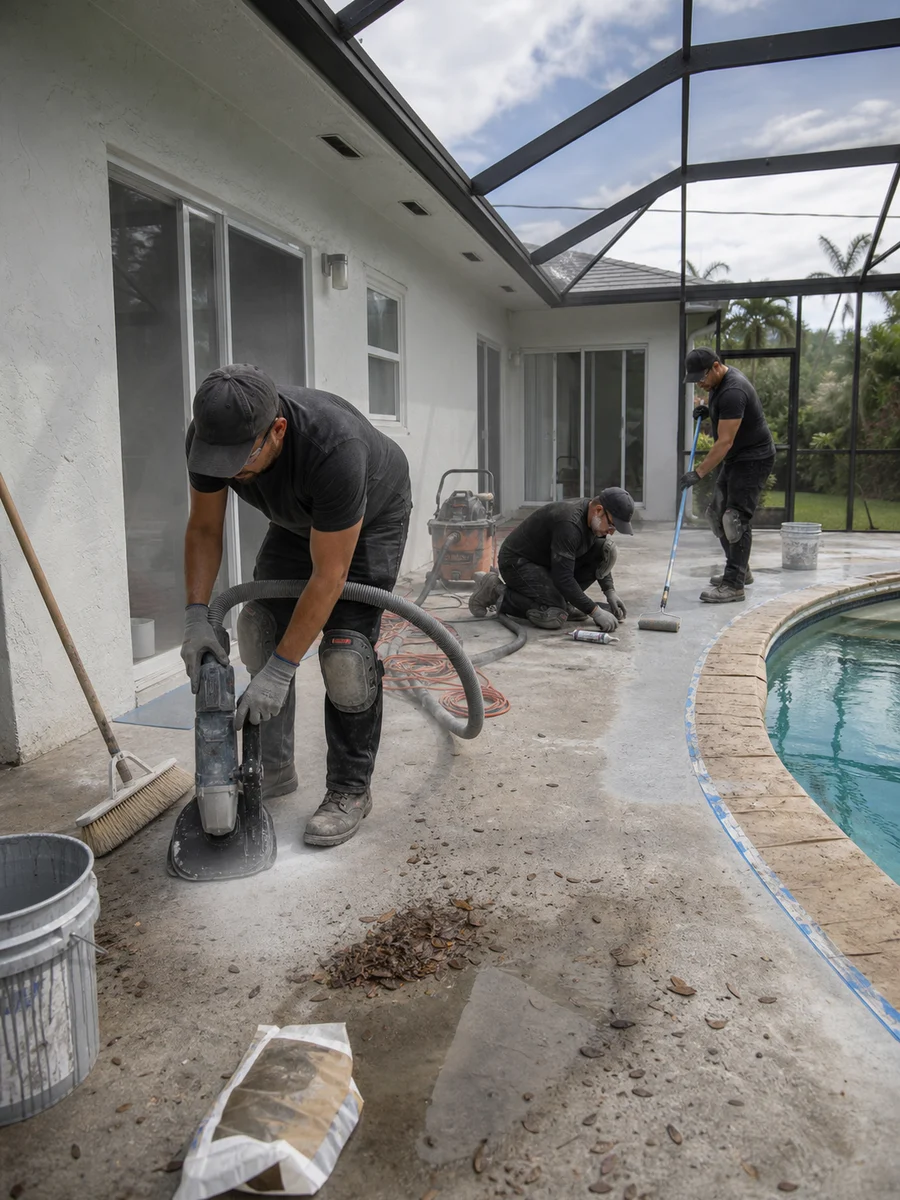
- Base preparation. Grinding or patching, dust removal, and correction of slopes where water needs to move.
- Priming. A polyurethane primer over concrete or asphalt, left to tack off.
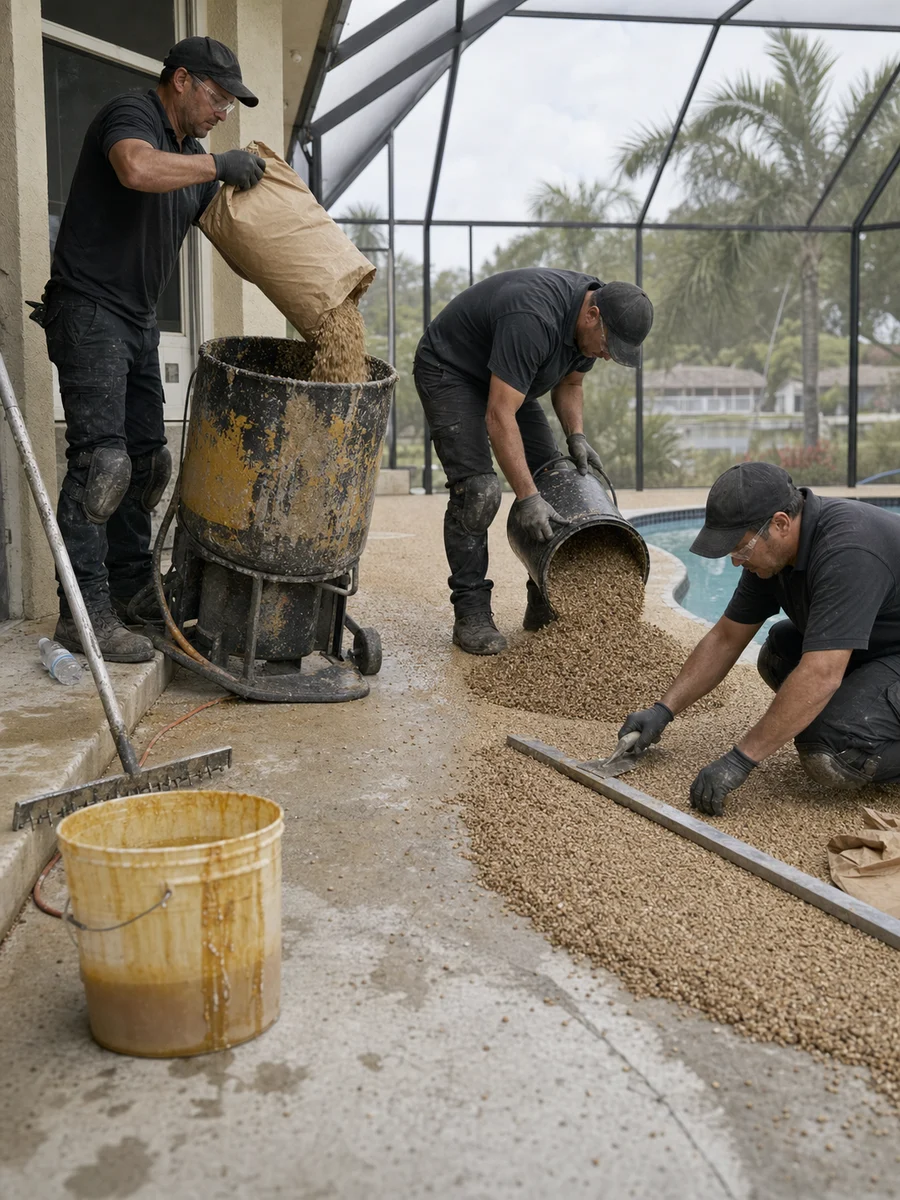
- Mixing. Granules and binder proportioned by weight in a forced action mixer. Binder ratio drives the strength of the finished surface and is the single most common thing to get wrong.
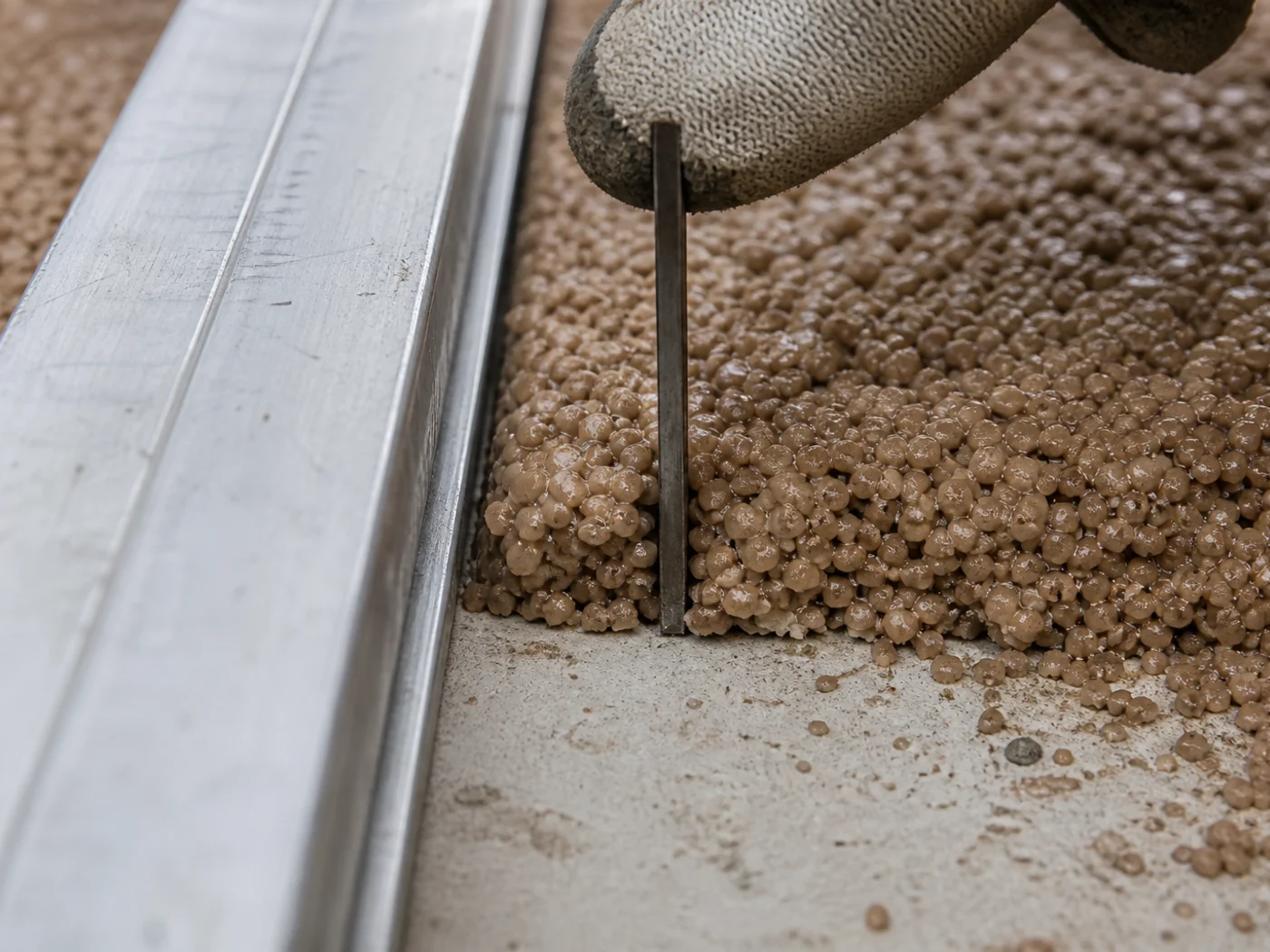
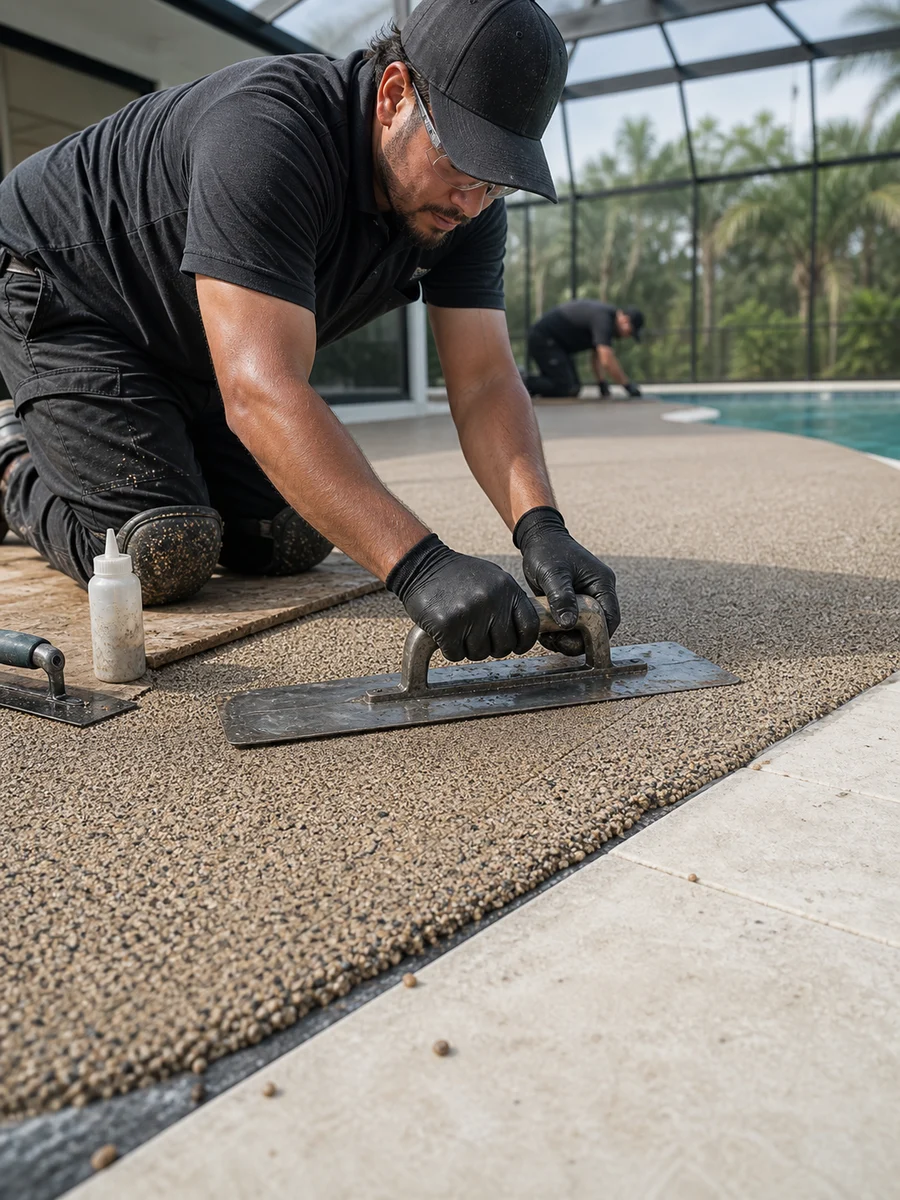
- Placing. The mix is spread to depth against screed rails and compacted with a trowel or, on tracks and large areas, a paving machine.
- Top layer. On 2S builds the colored EPDM goes on while the base layer is still green, so the 2 layers knit together rather than sitting as separate sheets.
- Cure and handover. Foot traffic is normally possible after 24 hours, with full cure in 2 to 3 days depending on humidity.
A small yard or playground up to about 1,600 square feet is typically a 2 to 3 day job. Larger areas are poured in sections so each batch is placed inside the working time of the binder.
How to choose a system
- Playgrounds. Thickness is the governing parameter and it follows the fall height of the equipment, so 1.5 to 4 inches. A 2-layer build with an SBR base and a colored EPDM top balances protection against appearance.
- Sports courts and yards. A single layer at 0.4 to 0.75 inch. EPDM or a 2-layer build is the answer when color and line markings matter, and the surface is checked against manufacturer tested shock absorption and ball rebound values.
- Running tracks. An SBR base at 0.4 to 0.5 inch with an EPDM finish or sprayed polyurethane, machine laid for a consistent profile.
Common questions on poured rubber
What weather installation needs
Surface temperature of at least 50 degrees F, a dry base and no rain in the forecast for the first 24 hours. Polyurethane binder cures with atmospheric moisture, so very high humidity accelerates skinning and shortens working time. In South Florida that means early starts and smaller batches rather than waiting for a season.
What happens if the base cracks later
If a slab moves the surface may mirror the crack, but it does not come apart. The rubber matrix is elastic and bridges movement of roughly 0.12 to 0.2 inch without losing integrity. A base that was already cracked or uneven before the pour is a preparation problem, not a material problem.
Whether it needs drainage underneath
The surface itself is water permeable, so rain passes through the pores instead of sheeting off. On a crushed stone base a 1 to 2 percent fall gives the water somewhere to go. On concrete the existing slab slope is enough. No separate drainage system is required.
What thickness a playground needs
It follows the free fall height of the equipment. As an ASTM F1292 planning guide, 2 feet of fall height needs 1.5 inches, 3.5 feet needs 2.5 inches, 5 feet needs 3.25 inches and 10 feet needs 4 inches. The manufacturer test data for the specific system confirms the final depth.
The difference between SBR and EPDM
SBR is granulated recycled tire rubber, black, durable and inexpensive, and a sound choice for base layers or surfaces where color is irrelevant. EPDM is a manufactured synthetic granule colored throughout that does not fade under UV. EPDM costs roughly 2 to 3 times more per pound.
Why a 2-layer system costs more
A 2S build is an SBR base layer carrying most of the depth and the shock absorption, plus a thin colored EPDM top layer that provides the UV stable finish. The extra cost is almost entirely the EPDM granule, and it buys color that lasts and a better wearing surface.
How long the surface lasts
10 to 15 years when it is laid on a properly prepared base with the correct binder ratio. Base quality, mix proportions and adherence to the placement sequence decide whether a deck reaches the top or the bottom of that range.
Buying materials without installation
SBR granule, colored EPDM granule and polyurethane binder are all available separately. Consumption figures for a given area and depth can be worked out in advance so the order matches the job.
How it holds up near a pool or the ocean
The cured polyurethane matrix is unaffected by chlorinated water and salt air, and the surface drains rather than pooling, so it stays usable through the wet season. EPDM top layers are UV stable and keep their color under year round Florida sun.
Rubber or tile for a yard
Seamless rubber wins wherever safety matters, with no sharp edges, no gaps between units, impact absorption on falls and reliable grip when wet. Tile makes sense mainly when the surface has to be lifted and relocated later.