Questions we get asked
Updated September 2026
A poured surface has no sand to top up and no pavers to reset, so there is no list of small things left for later.
Price and payment
What the rate covers
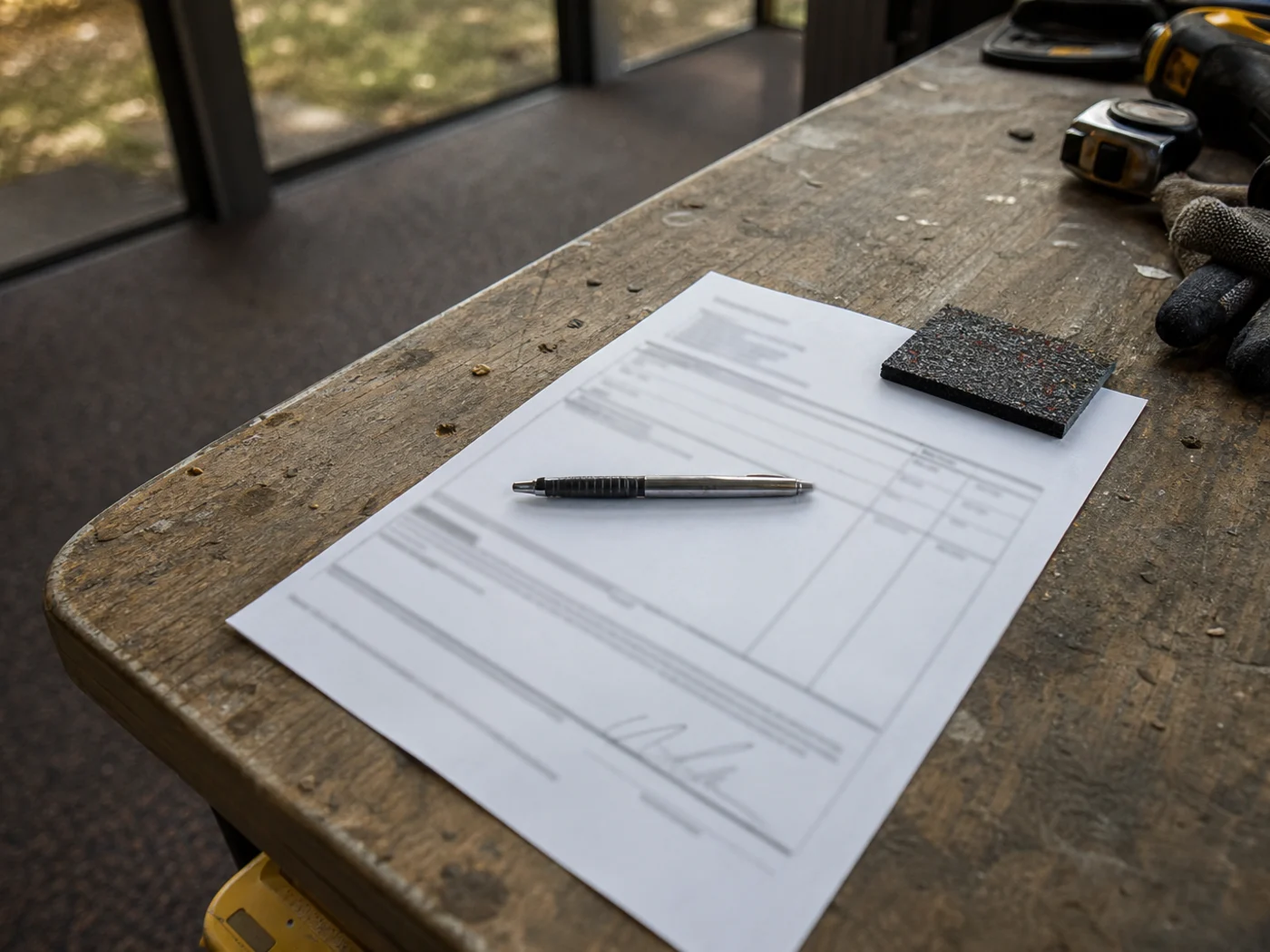
Poured rubber starts at 8 dollars per sq ft installed. Where your job lands comes from slab condition and color count. A slab that only needs cleaning and priming sits at the low end. A slab with spalling, old coating to grind off or standing water sits at the high end because prep is real work.
Why we start at 8 and not one flat number
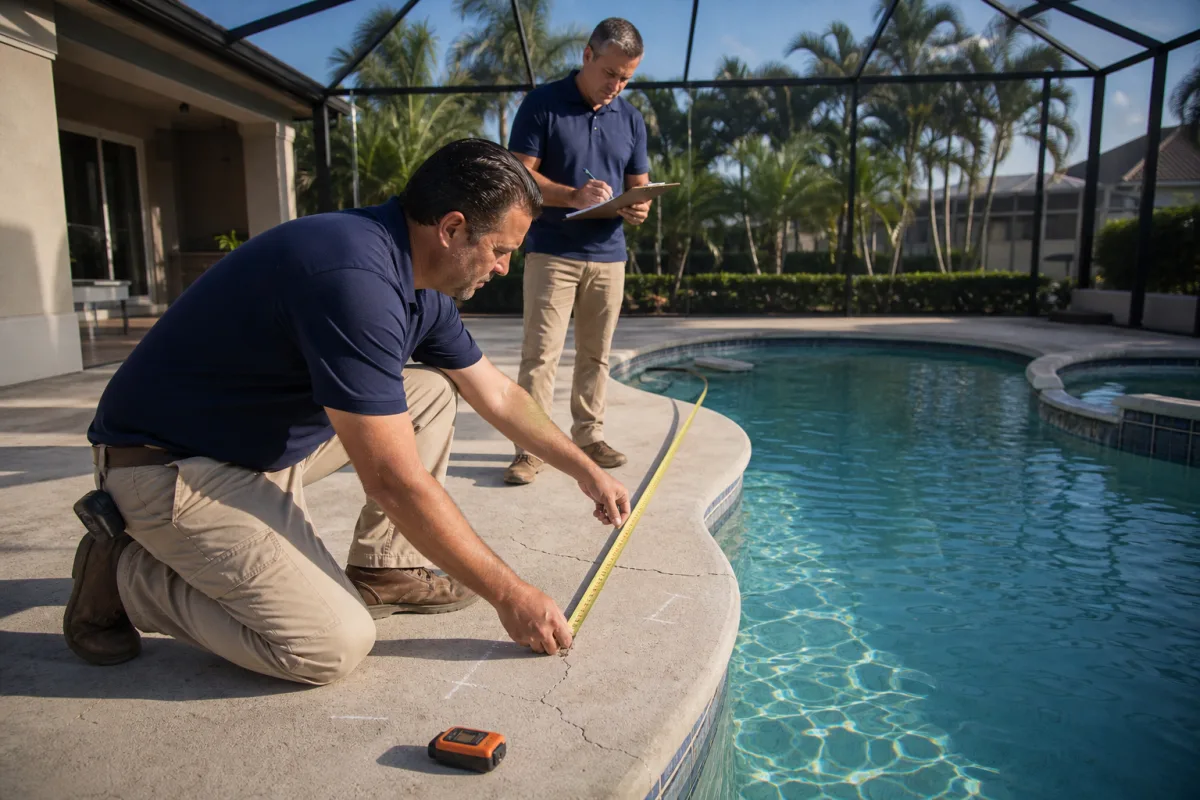
Prep is the variable, not the rubber. Grinding off a failed acrylic coating, filling cracks, correcting a low spot that ponds water and priming chalky concrete all add hours. We measure on site, then hand you 1 fixed number. If you already hold a comparable written quote, we beat it.
Is there a minimum job size
Yes. Small jobs carry the same mobilization, mixer setup and cure time as large ones, so anything under about 200 sq ft is priced as a minimum job rather than by the foot. We say the number at the estimate, not after.
Do you charge for the estimate
No. The on site measurement is free and there is no deposit at the estimate. The deposit never exceeds 30% at signing and the balance is due only after you walk the finished surface.
Can I pay over time
Financing is available through a lender, and we can also split the payment in 2 at no extra cost with no lender, no credit check and no interest. We do not publish monthly figures because payment terms depend on the lender and the amount.
Does the price change by city
The rate per sq ft is the same across Broward and Miami‑Dade. What changes is access and permitting. A gated community with an HOA approval step or a condo tower with a service elevator window adds schedule, not rate.
Pool decks and patios
How much does rubber pool deck resurfacing cost?
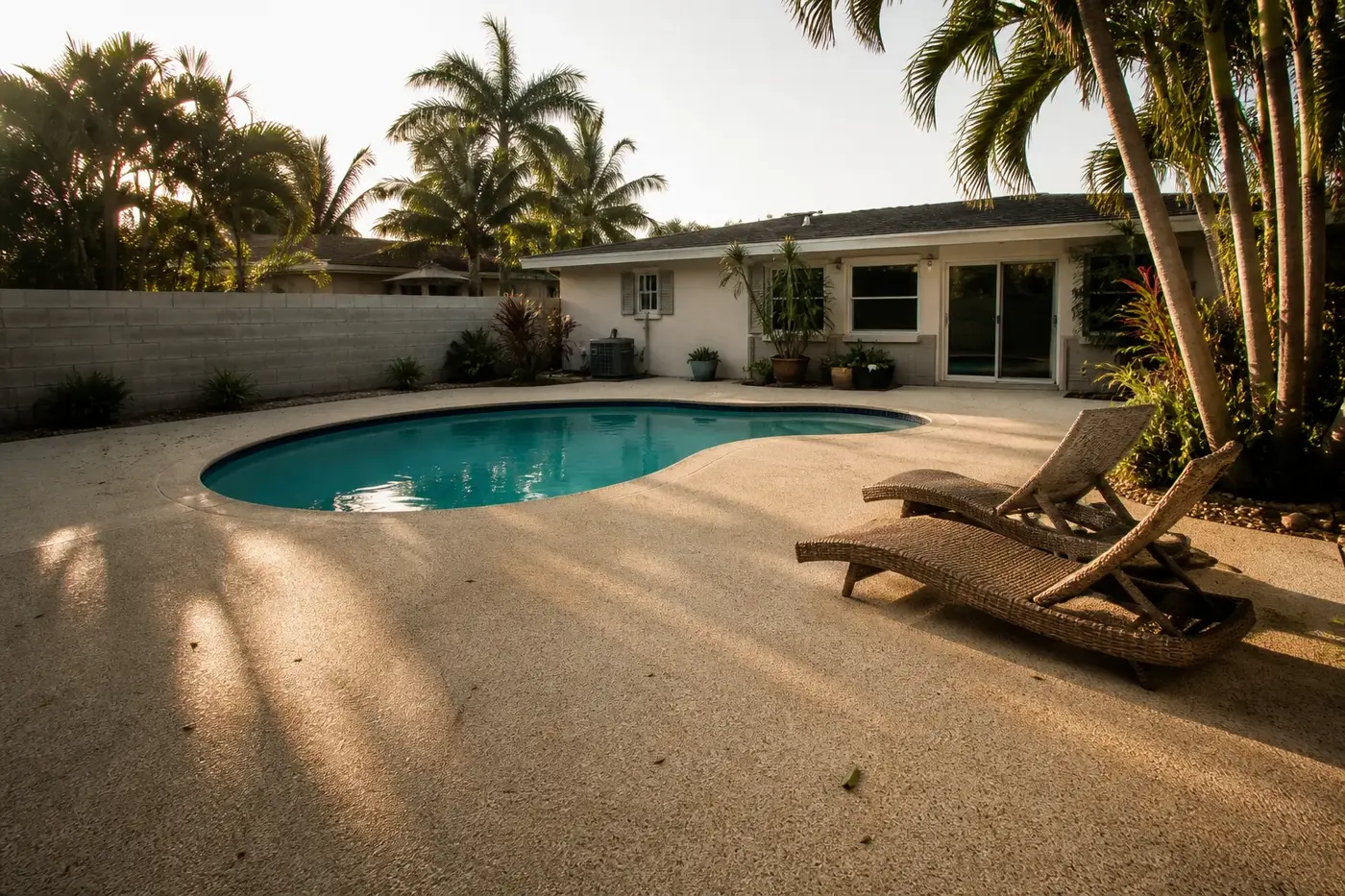
It depends on deck size, base condition and thickness. After a free on-site measurement, within 24 hours, you get a fixed quote. Going over existing concrete is far cheaper than demolition plus pavers.
Will it survive pool chemicals and Florida rain?
Yes. The binder is UV- and moisture-stable, and the porous structure lets water drain through instead of pooling. Chlorinated splash doesn't degrade the granules.
Can you match my backyard style?
EPDM granules come in dozens of colors and can be mixed into borders, patterns and two-tone designs around the pool.
How soon can we swim?
Installation takes 1 to 3 days for most decks and the surface is walkable after 24 to 48 hours of curing.
Can you cover badly cracked concrete?
Usually yes, hairline and stable cracks are bridged by the flexible rubber layer; crumbling sections are repaired first. The free on-site visit tells you exactly what's possible.
How is this different from painting or staining?
Paint is a film that peels and gets slick. Poured rubber is a structural layer from 3 eighths of an inch thick that adds grip, comfort and impact absorption, and hides imperfections for years.
Does it work for driveways?
Yes, with a denser granule mix rated for vehicle traffic. It handles cars while staying more comfortable than bare concrete.
How long does it last?
The material is made for years of Florida sun with basic care, and high wear zones can be topped up locally without redoing the whole surface. What we promise in writing is a 2 year workmanship warranty, now extended to 3 years under the current welcome offer.
Playgrounds and courts
Does your surfacing meet playground safety standards?
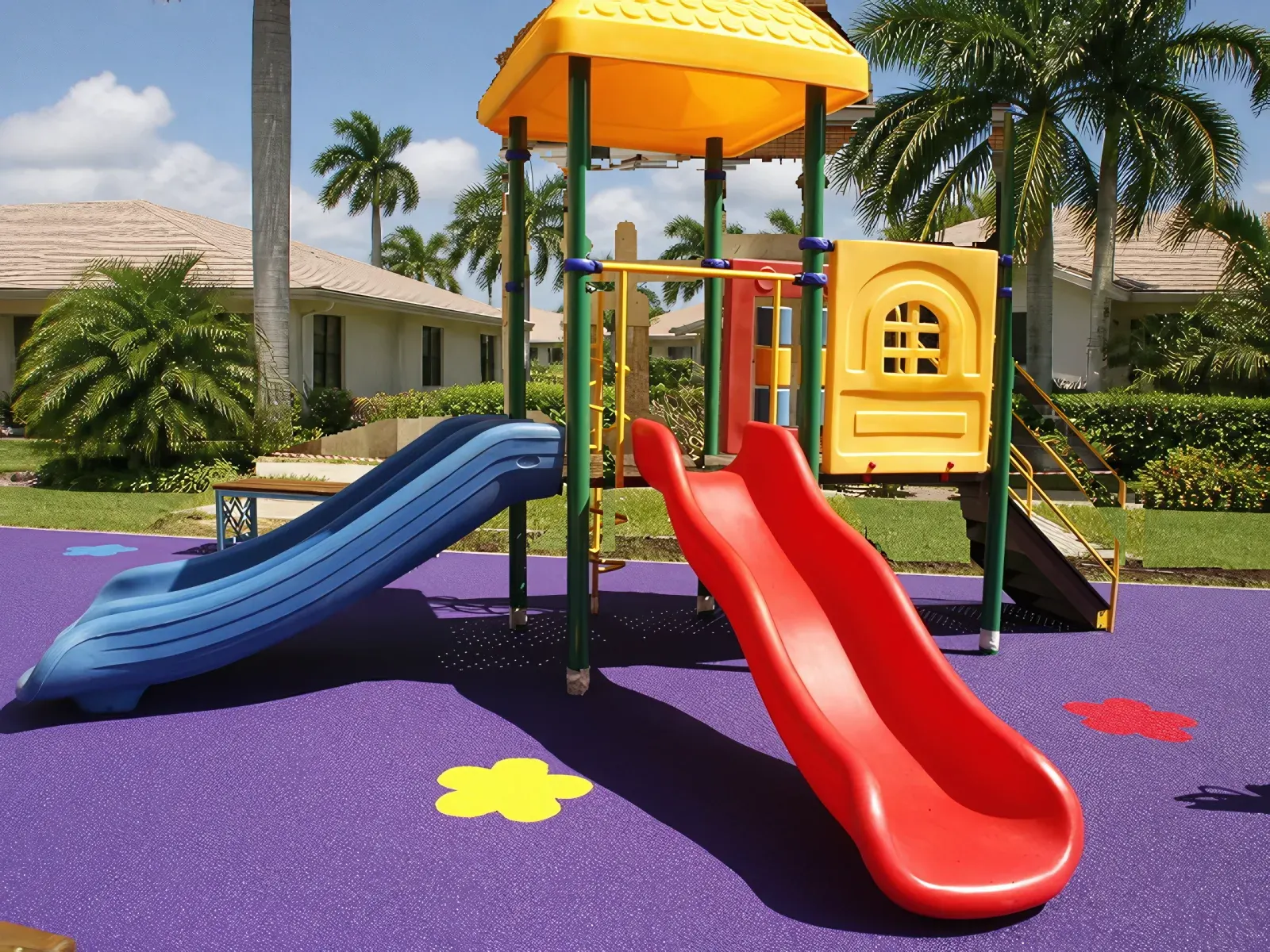
Yes, poured-in-place rubber is the standard commercial playground surface, installed with thickness matched to equipment fall height per ASTM F1292 impact-attenuation requirements.
How is this better than mulch or sand?
It never scatters, needs no topping up, hides no sharp debris, and gives wheelchairs and strollers a smooth path. Over years it's cheaper than re-buying mulch.
Can you resurface our existing playground?
In most cases yes, over concrete, asphalt or a compacted base. We assess the base during the free on-site visit.
How fast is installation?
Typical community playgrounds take 2 to 4 days including base prep, then 24 to 48 hours of curing before reopening.
What sports does the surface work for?
Basketball, pickleball, tennis, volleyball, running tracks, outdoor gyms and multi-sport community zones, each with its own hardness and thickness spec.
How does it handle Florida storms?
The system is porous. Rain drains through and play resumes quickly. No standing water means no delamination or algae film.
Can you renovate an old asphalt court?
Usually yes, stable asphalt makes a good base after crack treatment. We assess it during the free site visit.
Do you do indoor gyms too?
Yes, seamless rubber flooring for weight rooms and functional zones, with thickness matched to dropped-weight loads.
Materials and durability
What is stone carpet exactly?
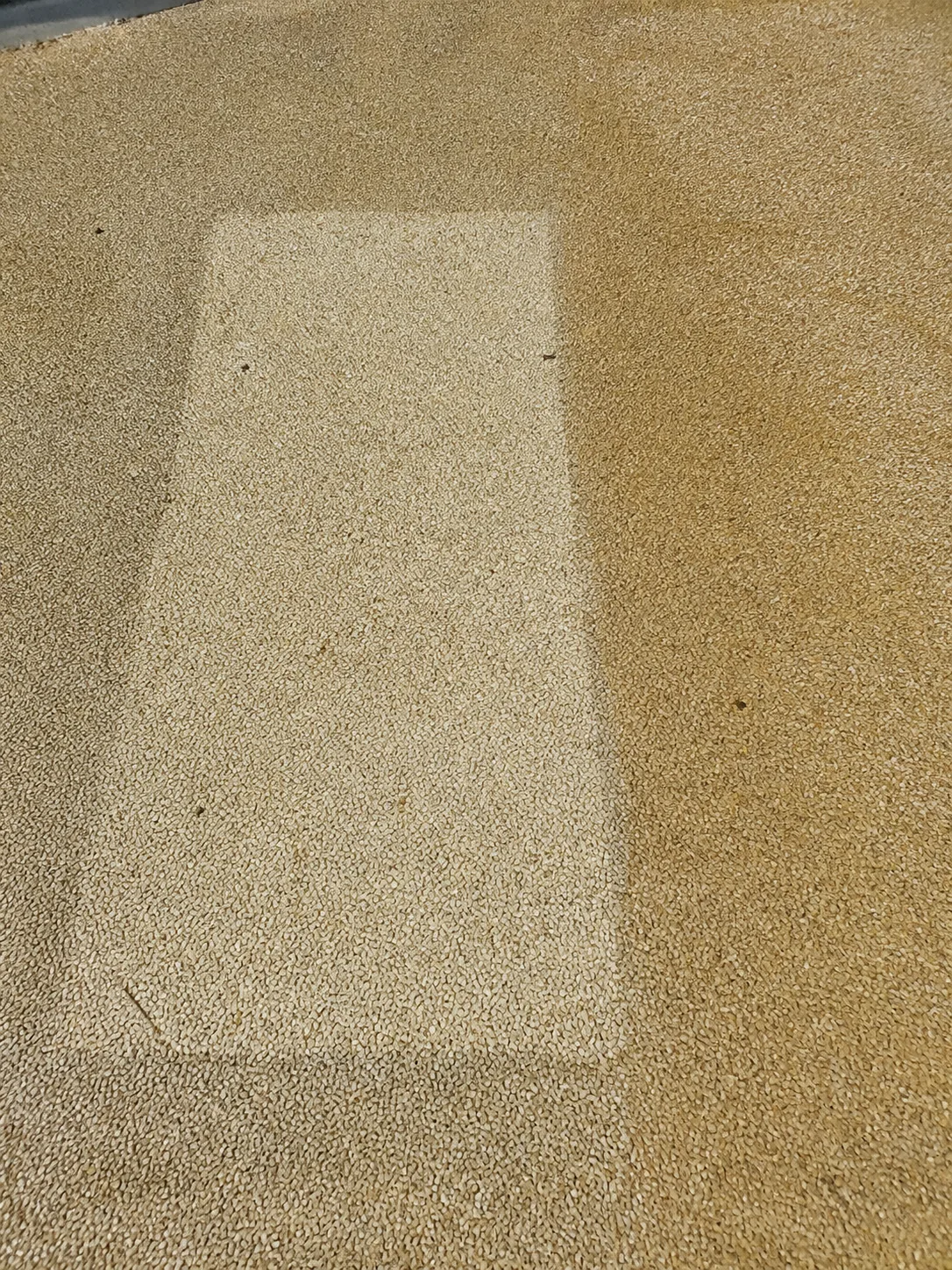
Natural pebbles mixed with clear UV-stable epoxy and troweled into a seamless layer, usually over existing concrete. It's the modern, tougher successor to classic Florida Chattahoochee.
Is it slippery when wet?
No, the pebble texture keeps grip, and permeability means water drains through instead of sitting on top.
Can you go over my old Chattahoochee or concrete?
Yes, after inspecting adhesion. Loose sections are ground off, the base is primed and the new layer bonds permanently.
How do I clean it?
Hose it down or pressure-wash gently. No sealing rituals, no joint sand, no weeding.
Can you repair a rubber surface installed by another company?
Usually yes. If the base layer is sound, we clean, re-bind and top it with a fresh wear layer. If the binder has failed throughout, we'll tell you honestly and quote a full resurface.
My pool deck is Kool deck and it's chalking, can you go over it?
Yes, after adhesion testing and surface prep, poured rubber bonds over old Kool deck and acrylic coatings.
Is resurfacing cheaper than replacement?
Significantly, you skip demolition, debris haul-away and new slab work. Most resurfacing projects finish in 1 to 3 days.
How do you handle cracks?
Stable hairline cracks are bridged by the flexible rubber layer; active or structural cracks are ground, filled and primed first, we flag anything structural during the free assessment.
How many colors in one blend
Up to 4 colors in one mix, in steps of 5%, always adding up to 100%. Most Florida pool decks use 2 or 3 colors. A base tone at 50 to 60% and 1 or 2 accents. More than 4 colors turns to visual noise once it is poured at full scale.
Do dark blends get hot
Every surface warms up in direct sun, and darker granules hold more heat than light ones. Rubber still stays far cooler than concrete, pavers or tile, because it does not store heat the way stone does. For barefoot pool areas we steer you to sand, beige, terracotta and gray families. We cap black at 50% on any deck that people walk on barefoot.
EPDM or black SBR
EPDM granules are colored all the way through and hold that color for years under UV. Black SBR is recycled rubber and costs less. A 100% EPDM blend is the premium tier. A blend with up to 50% black SBR is the industry standard for playgrounds and budget decks. Below that ratio the color reads muddy.
Binder for light colors
Light, blue and gray blends are poured with a UV stable aliphatic binder. An aromatic binder is cheaper but turns yellow within months under Florida sun, and yellowing is obvious on a pale surface. Around pools we use a chlorine resistant binder on every blend regardless of color.
Will it match my screen
Screen color is approximate. Every monitor and phone renders differently, and wet granules look different from dry. That is why the blend code exists. We pour a physical sample of your exact code, bring it to the free estimate and lay it on your concrete in daylight. Nothing gets installed until you approve that sample.
Can I save my blend code
Yes. Every mix gets a code such as BC-06.40 08.35 03.25, which lists each color and its share. Copy the link and the studio reopens on that exact blend. HOA boards use it to circulate one option before a vote, and homeowners use it to compare 2 or 3 finalists at home.
Working with us
You're new in Florida, why should I risk it?
Straight answer. We are. B-Cool started operating in Florida in 2026. Every project in our gallery was installed by this crew, playgrounds, courts, pool surrounds, over 1.6 million sq ft, but in Europe, not in Broward. We won't pretend otherwise. Here's how we make it safe. You pay nothing at the estimate; full written warranty terms before any deposit; the deposit never exceeds 30%; you pay the balance only after walking the finished surface. If a Broward reference matters more than all of that, hire the guy who has one, we'd do the same.
How much does rubber surfacing cost in South Florida?
Installed pricing starts at $8 per sq ft, with base prep and a 2 year warranty included. You get a fixed number after a free on-site measurement within 24 hours, and if you have a comparable written quote, we'll beat it.
Does rubber surfacing get hot in the Florida sun?
It stays noticeably cooler than concrete, pavers or tile. Rubber granules don't accumulate heat the way stone does, which is why it's the go-to surface for barefoot zones around pools.
Can you install over cracked concrete?
Yes, in most cases we install directly over existing concrete. The rubber layer flexes and bridges hairline cracks, and we repair the base where needed before pouring.
How long does the surface last?
It is built to live outside through years of Florida sun, rain and pool splash, and any damaged spot can be repaired locally instead of the whole surface being redone. What we put in writing is a 2 year workmanship warranty, now extended to 3 years under the current welcome offer. Same coverage either way, one extra year of it.
Is it safe for kids and playgrounds?
Yes, poured-in-place rubber is the standard safety surface for commercial playgrounds, with thickness matched to equipment fall height.
How fast can you install?
Free estimate within 24 hours; most residential projects are installed in 1 to 3 days and walkable after 24 to 48 hours of curing.
Do you provide documentation for HOA board approval?
Yes, every commercial proposal includes scope, thickness specifications, color options, timeline and warranty terms, in a format boards can review and vote on.
Can you resurface our community playground without closing it for weeks?
Typical community playgrounds take 2 to 4 days including base prep. We schedule phases so amenities stay partially open where possible.
Are your playground surfaces compliant?
Poured-in-place rubber is installed with thickness matched to equipment fall height per ASTM F1292, with seamless ADA-friendly access.
Do you work with property management companies?
Yes, we quote to managers and boards across Broward, Miami‑Dade and Palm Beach, with a single point of contact from assessment to walkthrough.