What we build with
Epoxy Floors Built For Florida Slabs
Primer, body coat and clear finish chosen after we check how wet your slab is.
Primer, body coat and clear finish chosen after we check how wet your slab is.
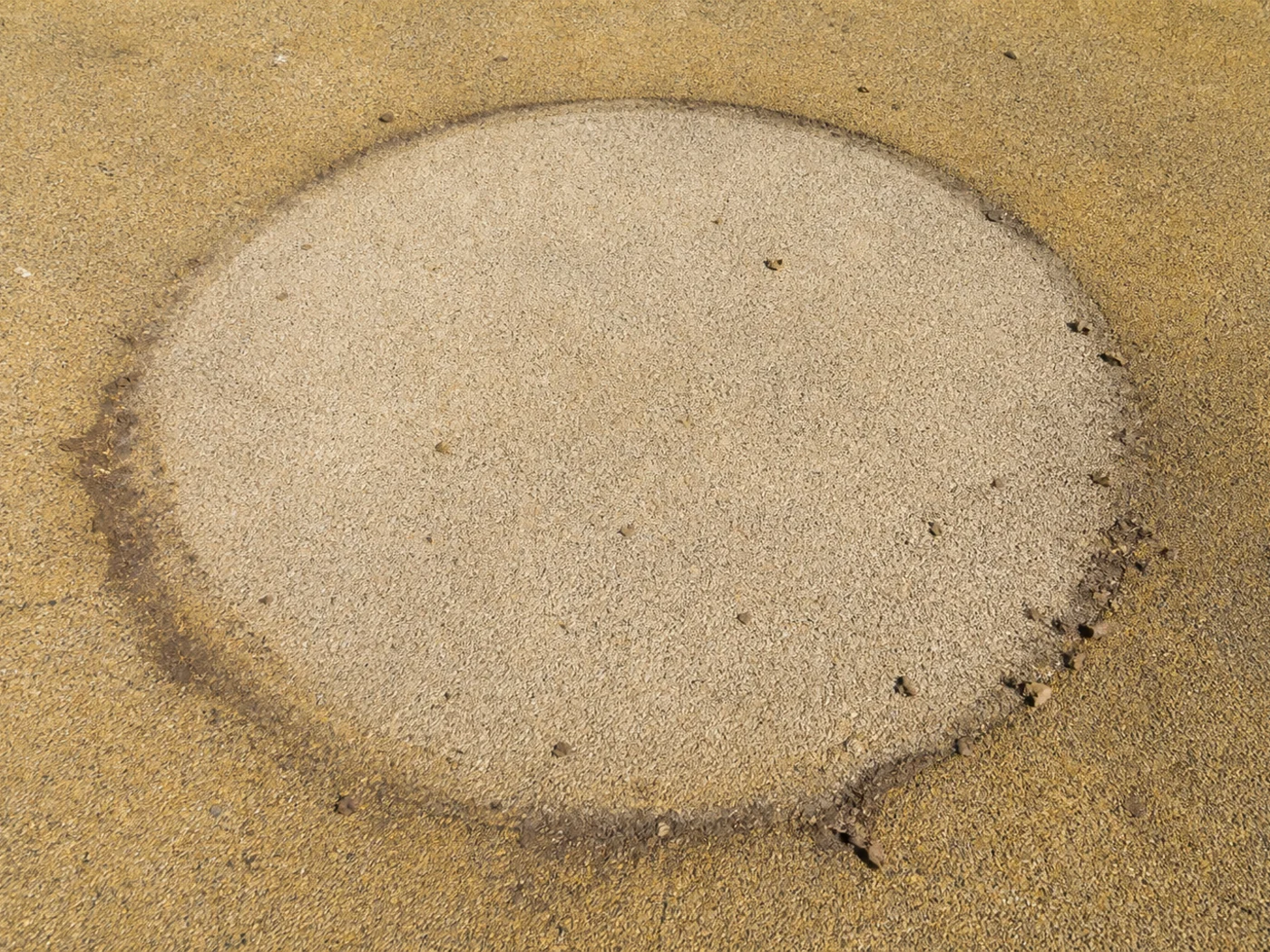
Concrete in South Florida sits on a high water table and it never really dries out. Water vapor moves up through the slab all day, and if you seal it under a standard epoxy the vapor collects at the bond line and pushes the coating off in sheets. You see it first as small blisters near the door, then a whole panel lifts. Summer makes it worse. The afternoon storm soaks the ground, the slab drinks it, and the sun bakes the outside of the floor while the inside is still wet. So before we quote we check the slab for moisture and we look at what is under it. If the reading is high, the floor gets a vapor tolerant primer. If it is dry, we save you the step and the money.
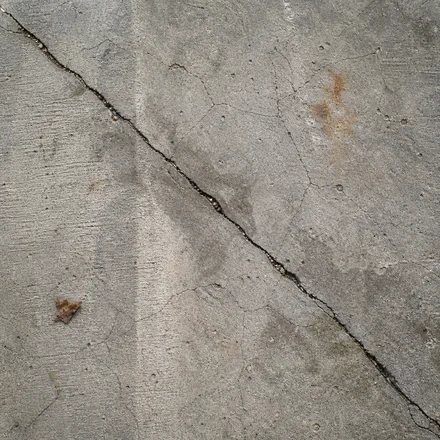
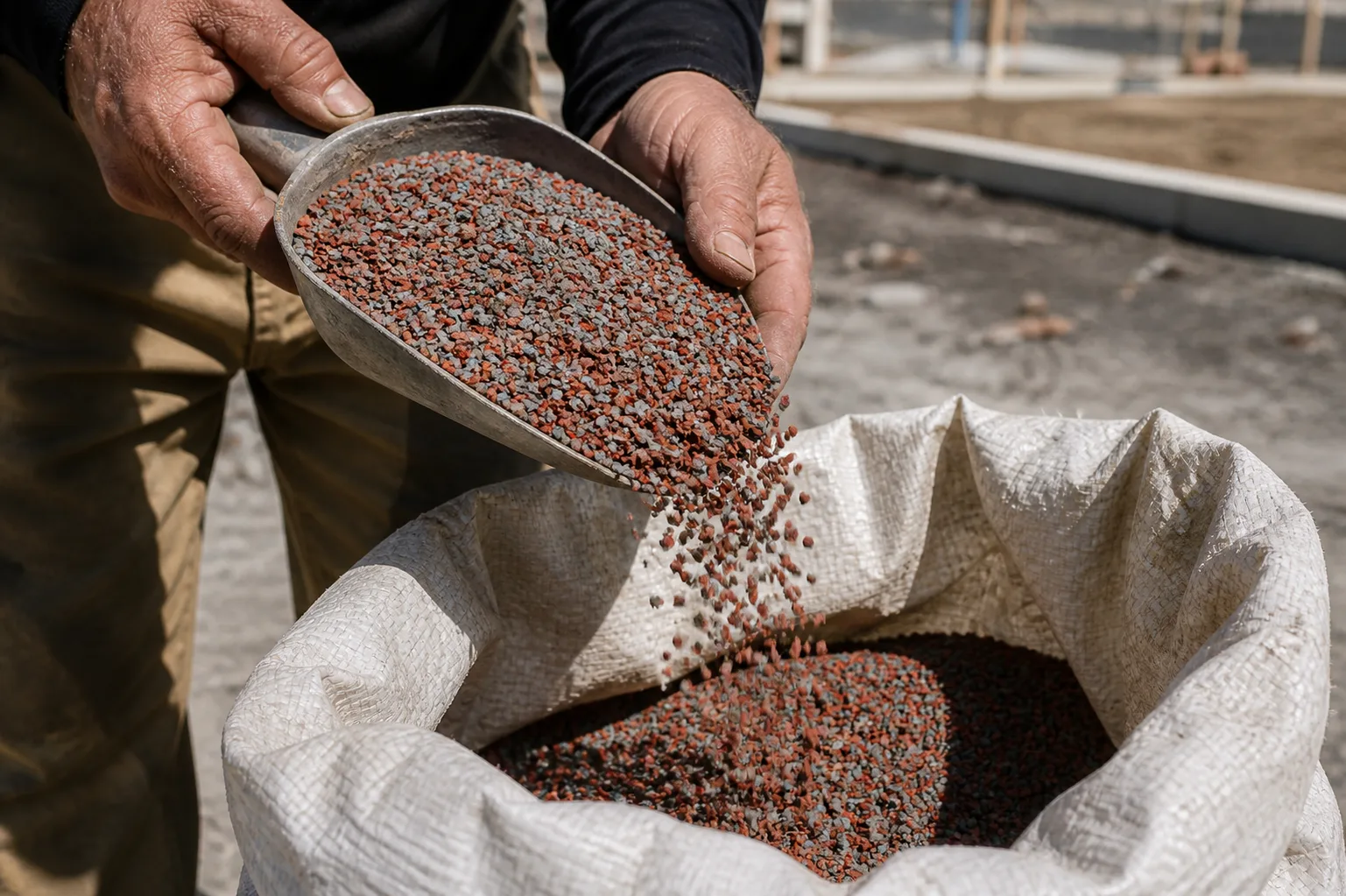
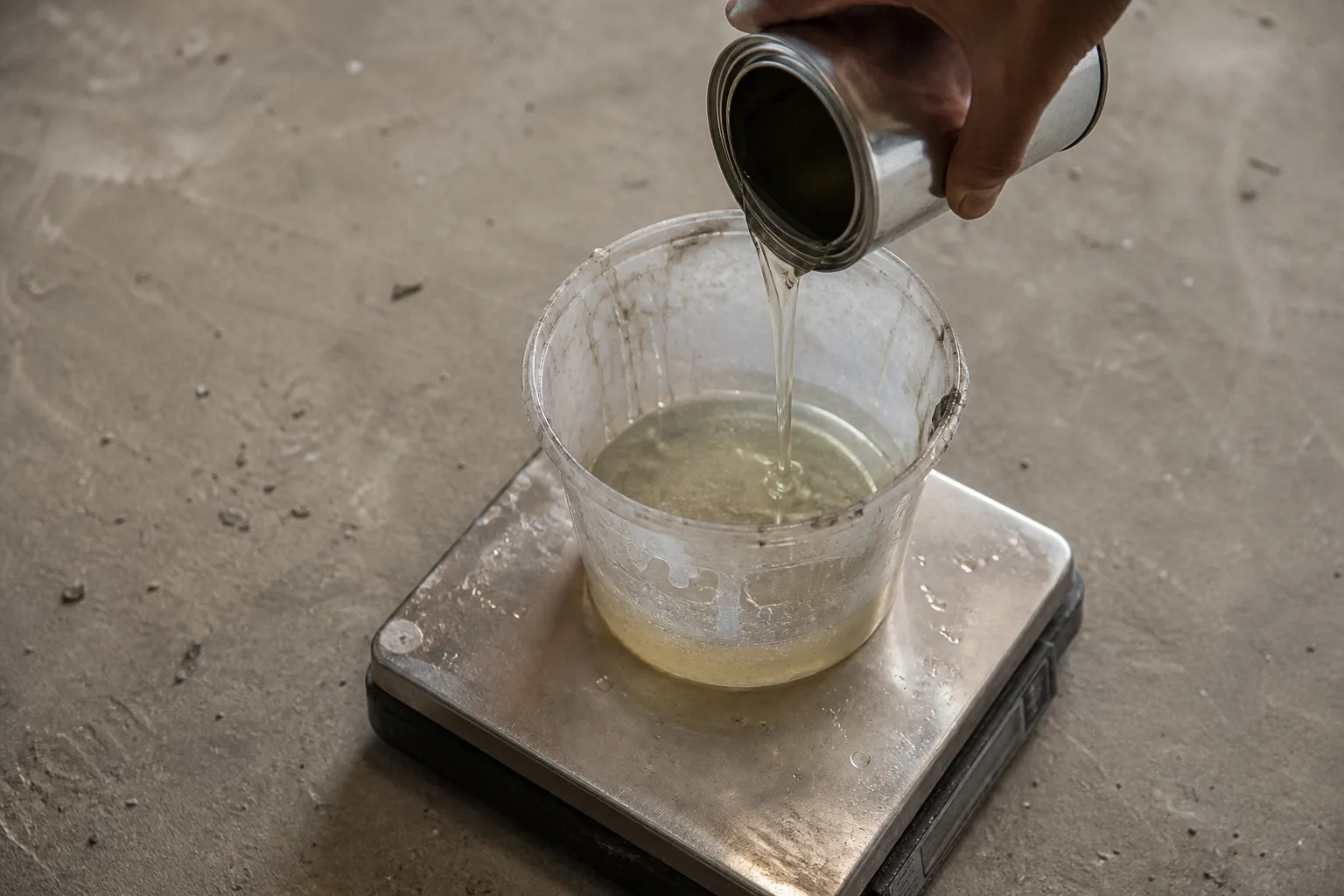
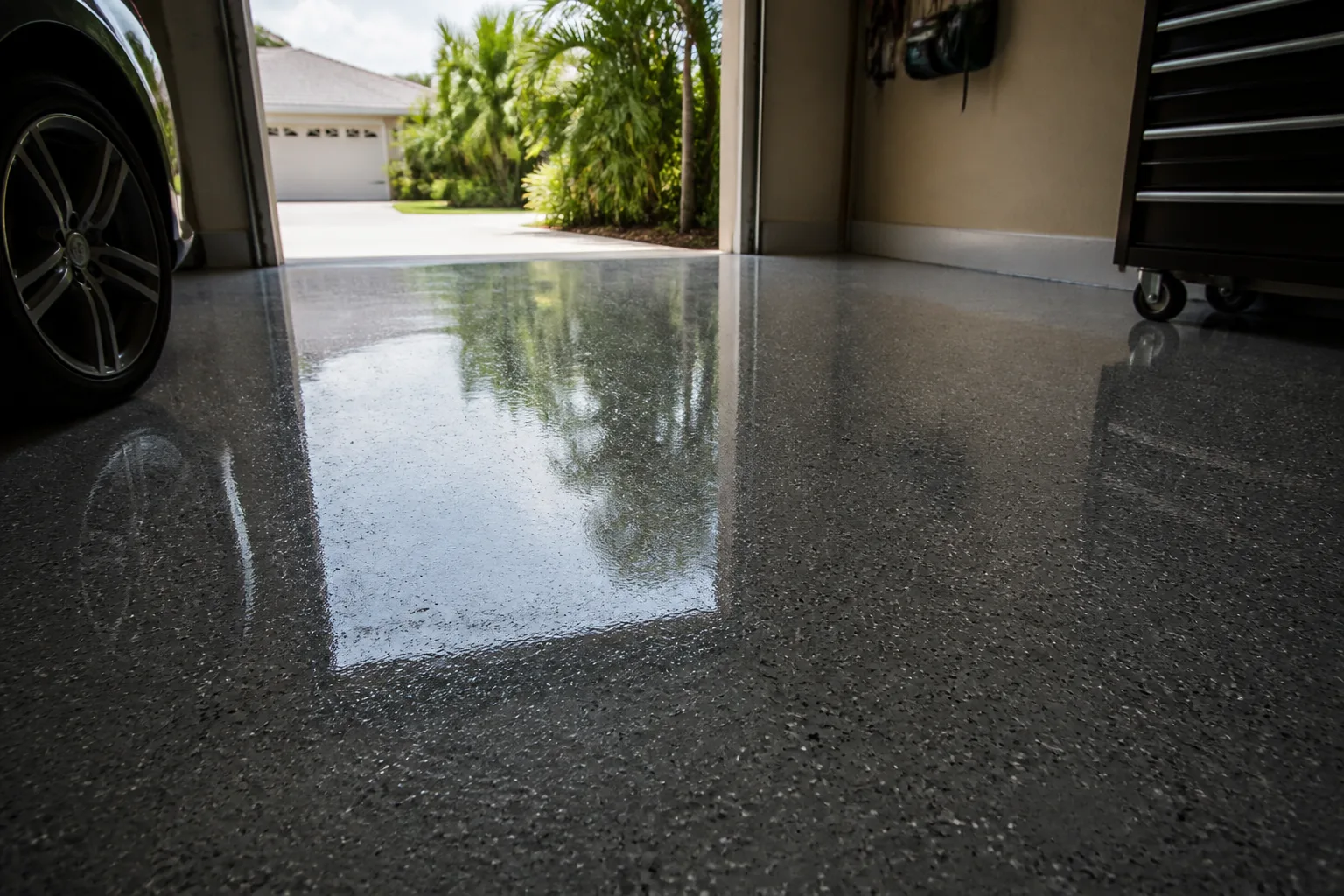
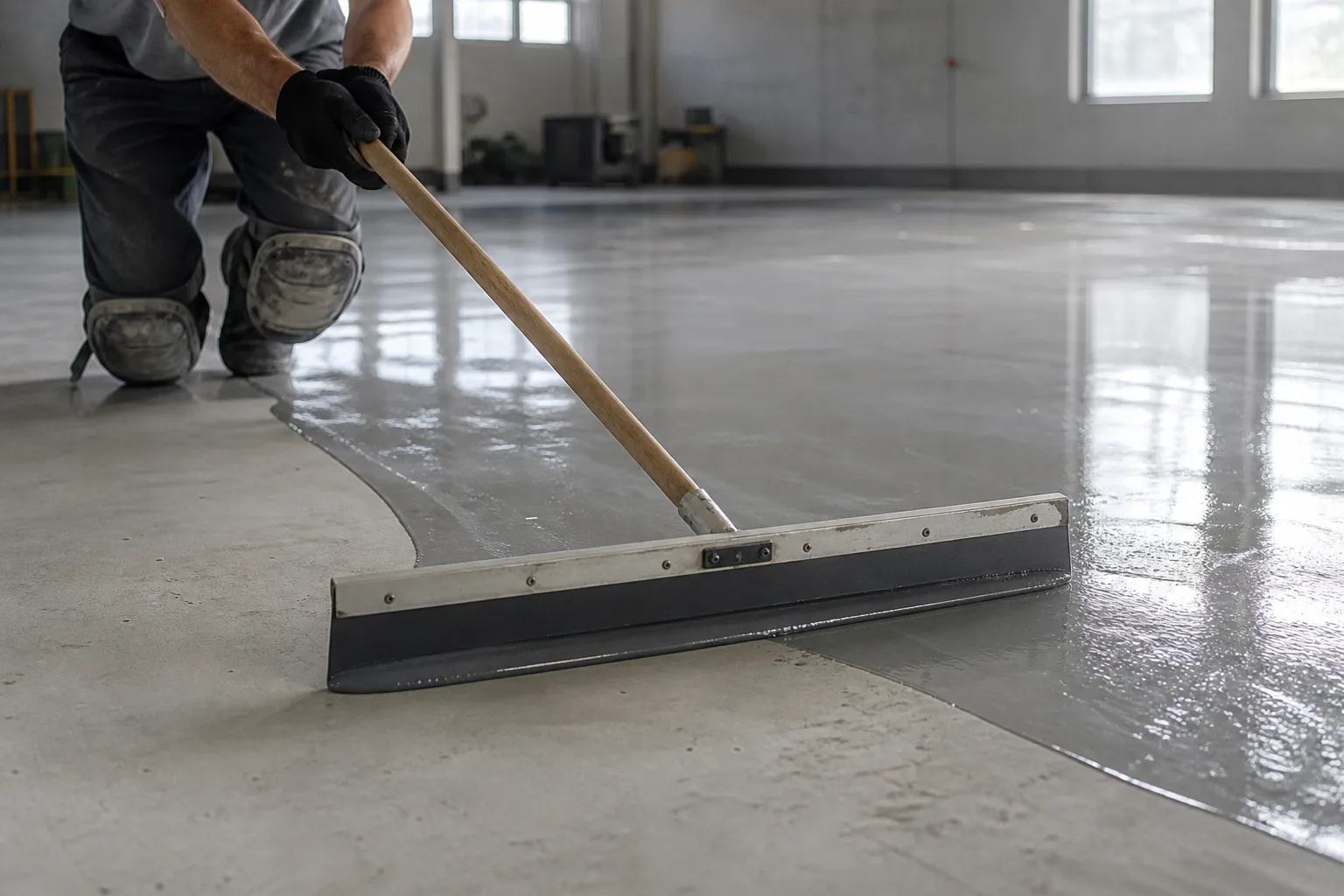
The primer is the only layer that touches the concrete, so it does the bonding and, on a damp slab, the vapor work. It goes on thin and it goes into the pores. The body coat is the thickness. That is the layer that takes the pallet jack, the dropped wrench and the tire scuff, and it is where the color or the flake sits. On a floor that has ruts or old crack repairs, we build the body coat up and flatten it before anything else goes on. The clear finish on top is what you clean. Matte hides scuffs and looks like polished concrete. Gloss reads brighter and shows every mark. Both take the same abuse. The difference is how the floor looks after a year of mopping, not how long it lasts.
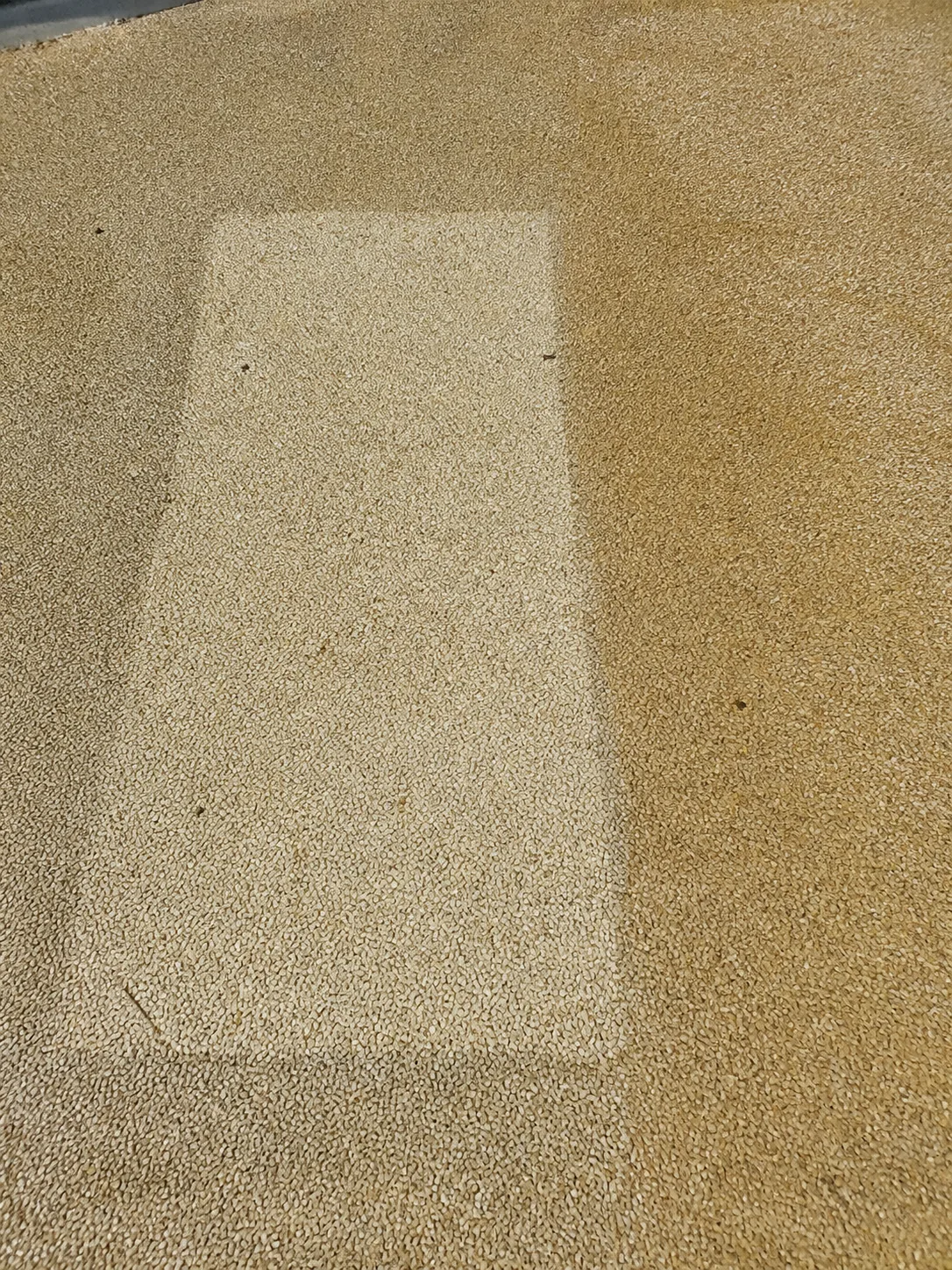
Epoxy is an indoor floor here. Warehouses, garages, storage rooms, back of house kitchens, workshops, anywhere the slab is under a roof and the traffic has wheels. Put the same clear coat out in open sun on a west facing driveway and it ambers. It goes yellow, then chalky, and you are back on your knees inside two seasons. For an outdoor deck we will tell you to use a poured rubber surface instead, and we will say so at the measurement rather than after we have your money. Salt air near the Intracoastal is the other line. Coastal buildings get an epoxy floor inside the parking level and a different system on anything exposed. If your job is half in and half out, we quote both and you see the split in writing.
 1
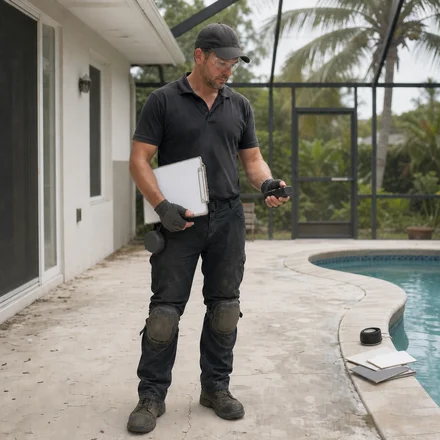
1We visit within 24 hours, measure and hand you a fixed price.
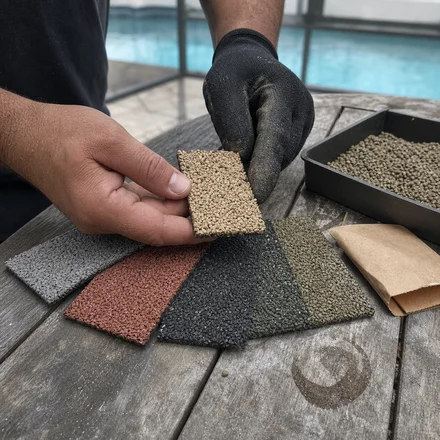 2
2Pick the blend and the depth. We repair the base so it holds.
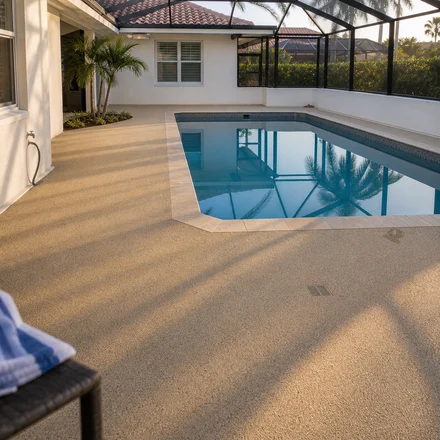 3
3Poured, cured and walkable in 24 to 48 hours.
Yes, with the right primer. A vapor permeable grade bonds through the moisture instead of trapping it, so the floor breathes and the bond holds. We check the slab at the free measurement before we pick anything. If the reading is too high even for that, we say no and put a different system on the quote.
One to three days on site for most floors, and you walk on it after 24 to 48 hours of curing. We work in bays so half the building keeps running while we do the other half. Racking gets moved once, not twice. The exact schedule goes on the fixed written price before you sign.
They can if nobody deals with them. We cut the crack open, fill it with a repair grade and level it flat before the body coat goes down. That stops it telegraphing. What we cannot stop is a slab that is still moving. If we see movement at the measurement, we tell you in writing before you pay anything.
Standing water does not hurt a cured epoxy floor. It sits on top and you squeegee it out. The damage comes later, from what the water pushed under the slab. A floor that took storm water usually needs a moisture check before any repair coat, and we do that free within 24 hours of your call at 754-999-9766.
If the floor is going outside instead of in, read how we build a poured rubber surface.
Same surface, other components. Each one named on your written quote.
Free on-site measurement within 24 hours. No obligation.