Rubber Surface Care and Maintenance
Written by the crew that installs it
A poured rubber surface needs sweeping, an occasional rinse and 1 deep wash a year with a stiff non metal brush and mild soap. Keep sharp debris off it, patch scuffs and gouges while they are small, and rinse spilled pool chemicals within a few minutes. Maintained that way a poured surface holds its color, texture and impact rating for 10 to 15 years. Neglected, it can look worn out inside 3 seasons.
Rubber crumb surfacing is low maintenance, not zero maintenance. The routine below is short, and skipping it is what turns a 15 year surface into a 5 year one.
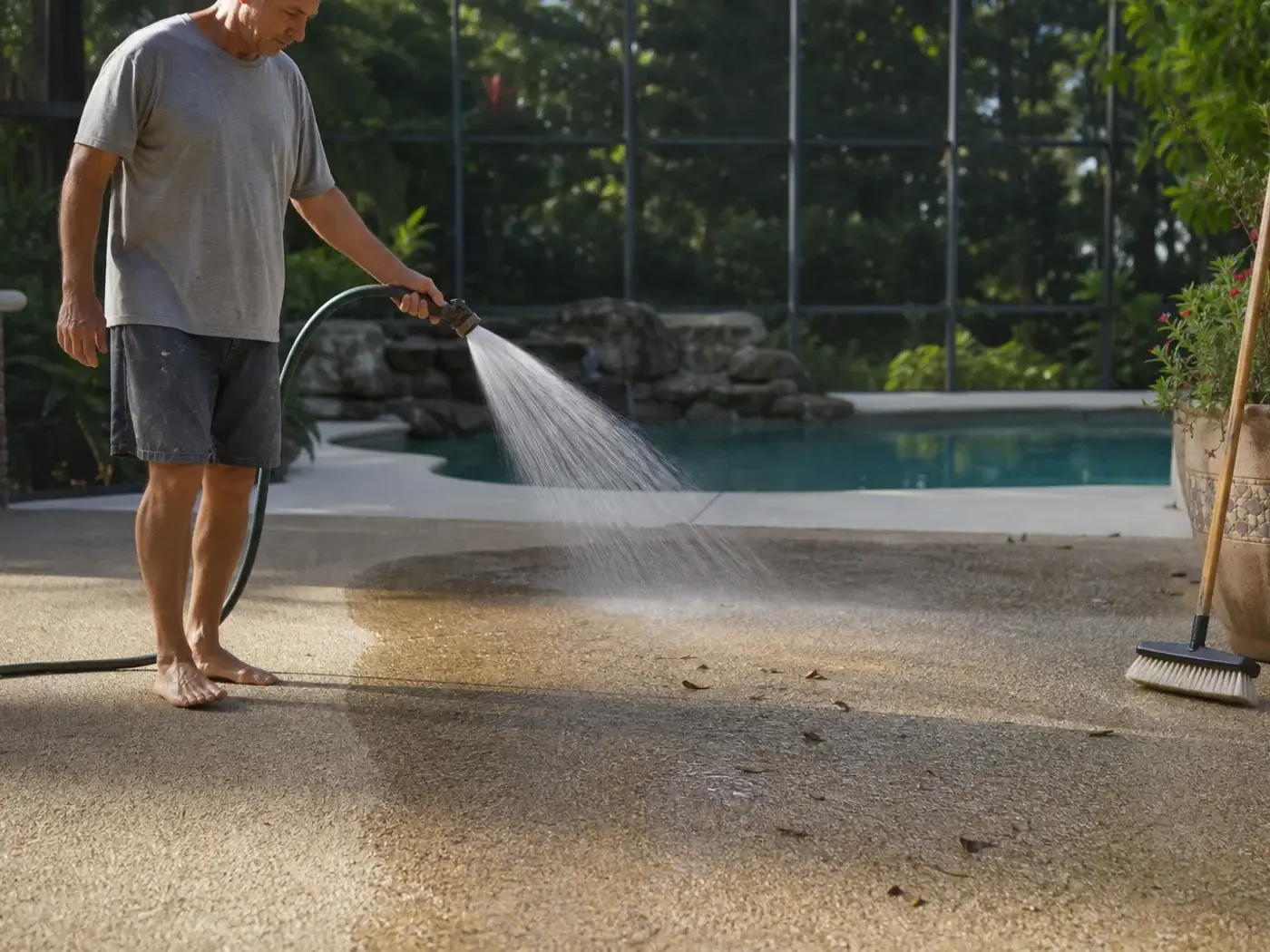
How to care for a rubber surface
Poured rubber is bound granule, and its useful properties all come from the open structure of that granule. Slip resistance, drainage and shock absorption exist because the surface is porous rather than solid.
Left alone, that structure fills. Grit packs into the texture, sunscreen and body oil glaze the top, the binder dulls, and small gouges spread into open patches that hold water.
None of the work below needs a contractor except the repair items. On a normal residential deck the whole annual routine takes an afternoon.
What routine maintenance involves
Repair small damage early
Every surface wears. Scuffs, scratches and shallow gouges are normal after a few seasons of traffic, and on their own they are cosmetic.
They stop being cosmetic once water and grit reach the binder line, because that is where delamination starts. Patching a 3 inch gouge is a 20 minute job. Patching the 3 foot patch it becomes is a crew visit.
On playgrounds this carries more weight. ASTM F2479, the guide covering specification, purchase, installation and maintenance of poured in place playground surfacing, treats repair as part of keeping the installed system at the condition it was rated in.
Keep sharp loads off the surface
Anything that punches through the wear layer takes the surface properties with it.
Metal cleats, studded soles, dropped free weights, dragged furniture legs, unpadded ladder feet and pressure washer wands held too close all cut the binder. Rolling loads are fine. Dragging and point loads are not.
Under playground equipment a puncture is a safety matter rather than a cosmetic one. ASTM F1292 rates the assembled system at its installed thickness, and a hole in the wear layer is no longer the system that was tested.
Rinse off chemicals quickly
Rubber crumb and polyurethane binder tolerate rain, chlorinated splash out, salt air and sunscreen without trouble. Concentrated chemistry is different.
Granular chlorine, muriatic acid, solvents, paint thinner and fuel will soften the binder if they sit on the surface. Rinse any spill with plain water within a few minutes and it leaves no mark.
Set chemical buckets and fuel cans on a tray rather than directly on the deck, and check the surface once a season in the areas where they are stored.
Sweep and inspect regularly
Walk the surface about once a month. Look for nails, screws, broken glass, palm fronds and storm debris, and sweep off whatever is loose.
The inspection matters as much as the sweeping, because it catches lifted edges and open seams while they are still 10 minute repairs. After a named storm, do it before anyone uses the area again.
What to know in the first week
- A poured surface takes foot traffic 24 to 48 hours after the pour and full use, including furniture, after about 72 hours
- Any sport can be played on it provided footwear is cleat free, otherwise the wear layer needs reinforcing first
- Open flame, barbecue coals, fire pits and welding permanently damage the surface and can deform it
- Heavy planters and furniture legs should sit on pads rather than bare on the surface
- Keep vehicles off any build that was not specified for vehicle loads
How to clean and wash rubber surfacing
Cleaning is straightforward, and the tools matter more than the products.
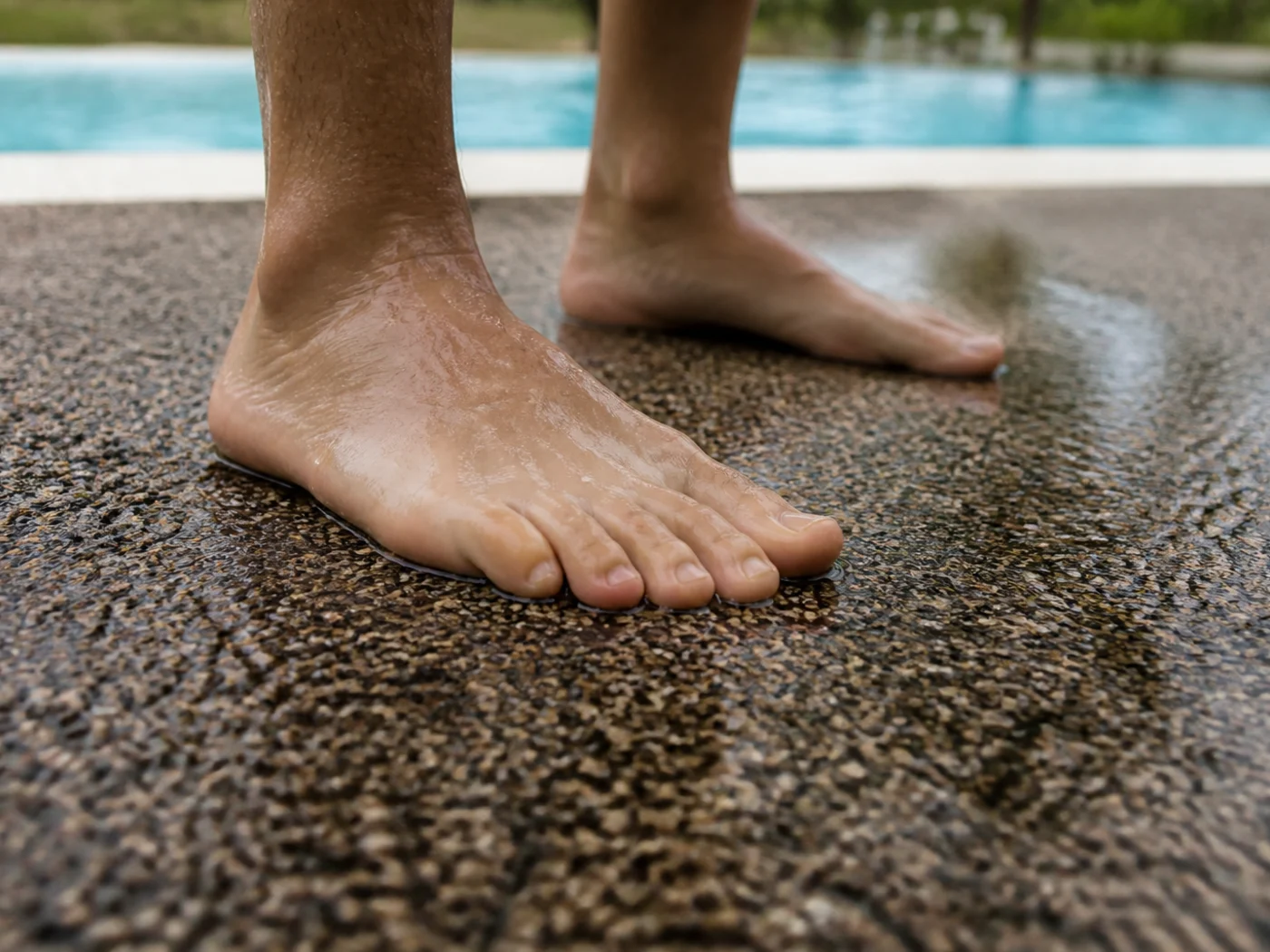
- Remove sand, leaves and loose dirt with a broom, a stiff brush, a leaf blower or a shop vacuum
- Rinse with a garden hose, or let a heavy rain do it, since the surface drains through its full depth
- Lift stains with warm water and a mild soap solution worked in with a brush, then rinse clear
- Deep clean at least once a year with a stiff non metal brush and liquid soap, which breaks down the sunscreen, body oil and grease that dull the finish
- Keep a pressure washer below about 1,500 psi and hold the wand at least 12 inches off the surface
Metal bristles, wire wheels and aluminum scrapers tear the wear layer. Plastic and wooden tools do the same job without cutting into the binder.
Skip bleach, degreasers and acid based concrete cleaners. Mild soap and mechanical brushing handle everything a Florida deck actually collects.
What matters most for service life
Service life comes down to 4 habits. Fix damage while it is small, keep the surface clean, keep concentrated chemicals and sharp point loads off it, and inspect on a schedule rather than after something has already gone wrong.
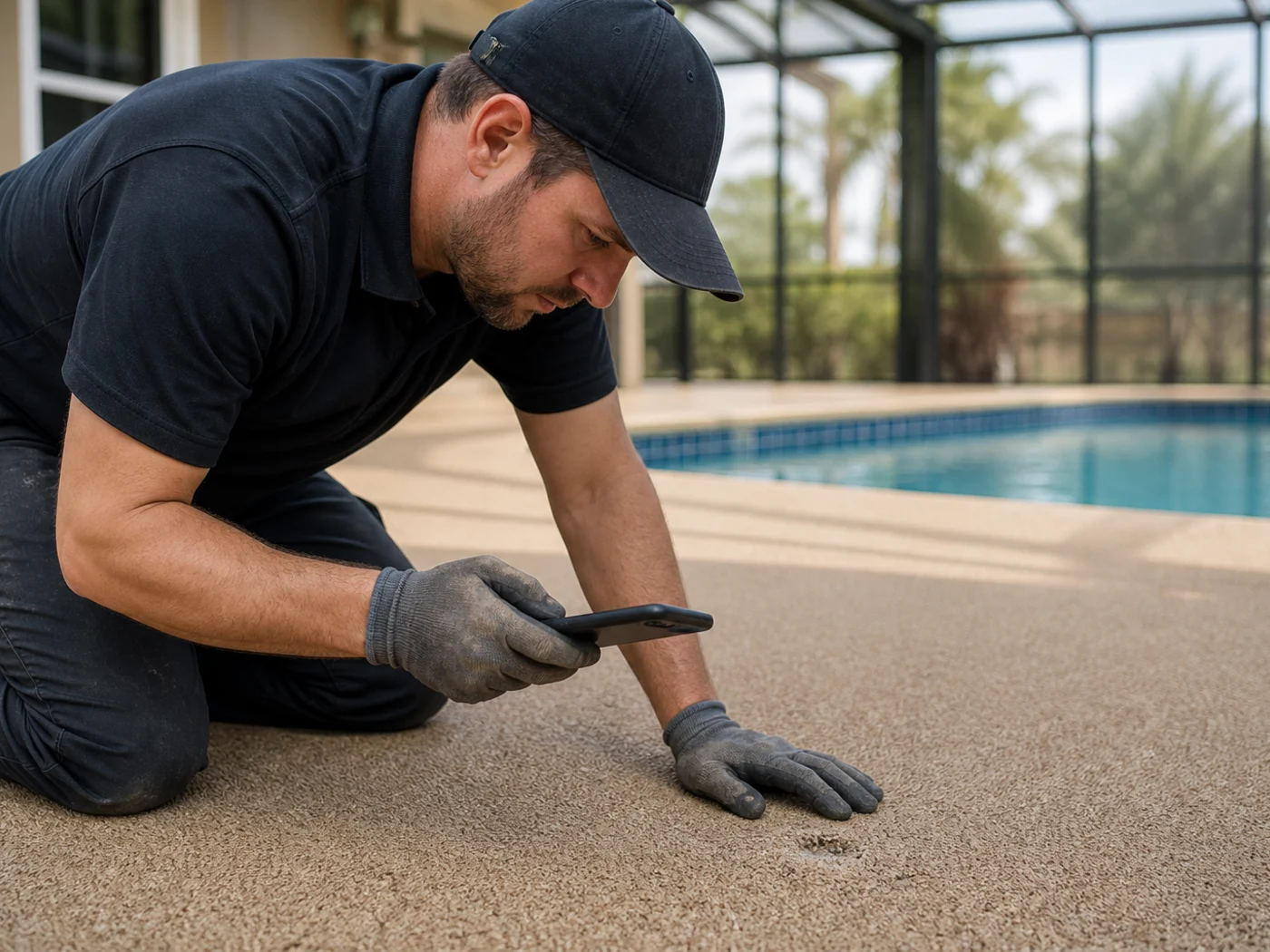
Done consistently, a poured rubber deck in South Florida holds its color and texture for 10 to 15 years and keeps its rated impact performance across that span.
Play areas deserve a tighter schedule. Wear concentrates inside the use zone, which the CPSC Public Playground Safety Handbook sets at a minimum of 6 feet in all directions from the equipment, so that is the area to check first every time.
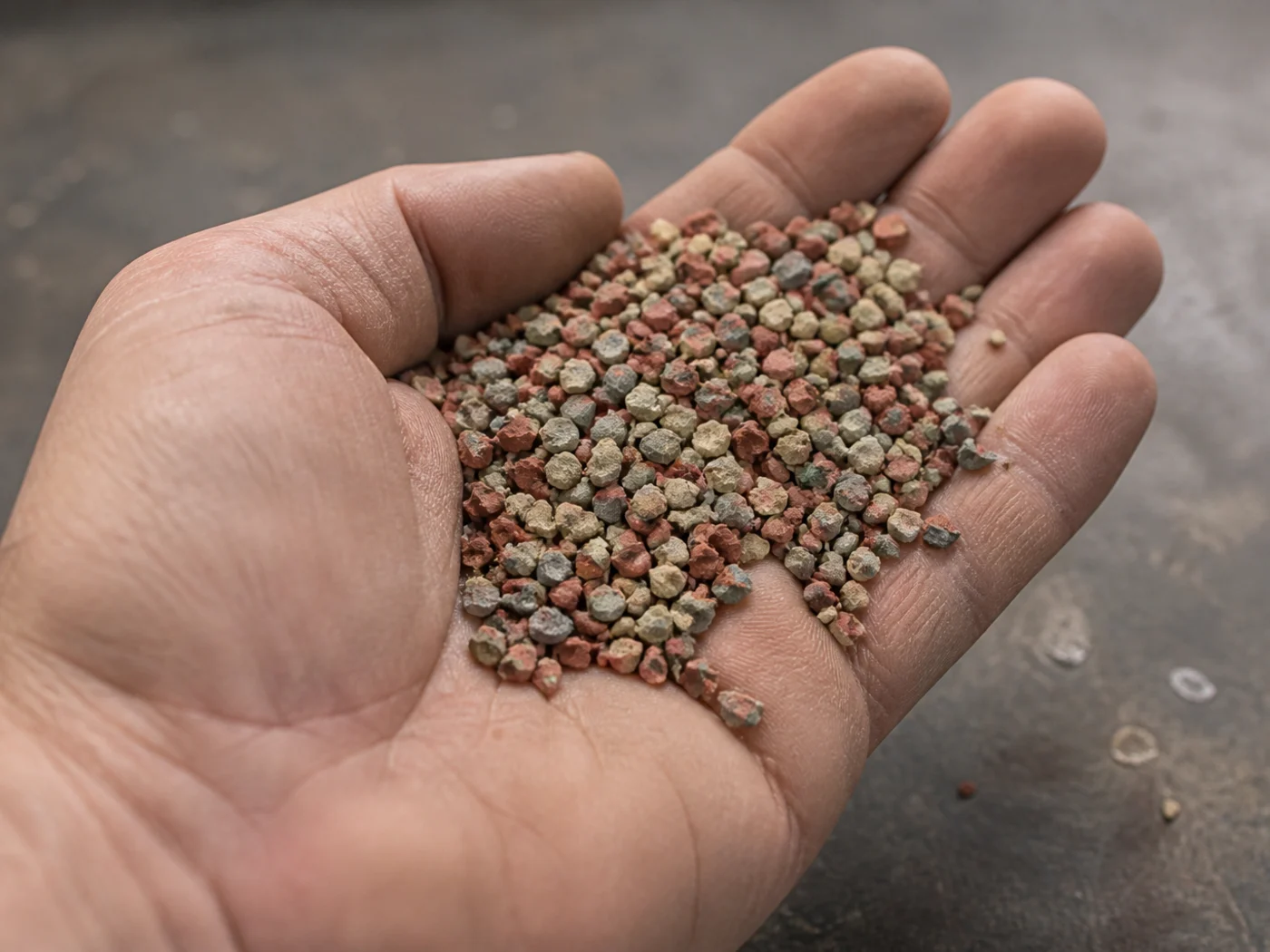 EPDM against SBR
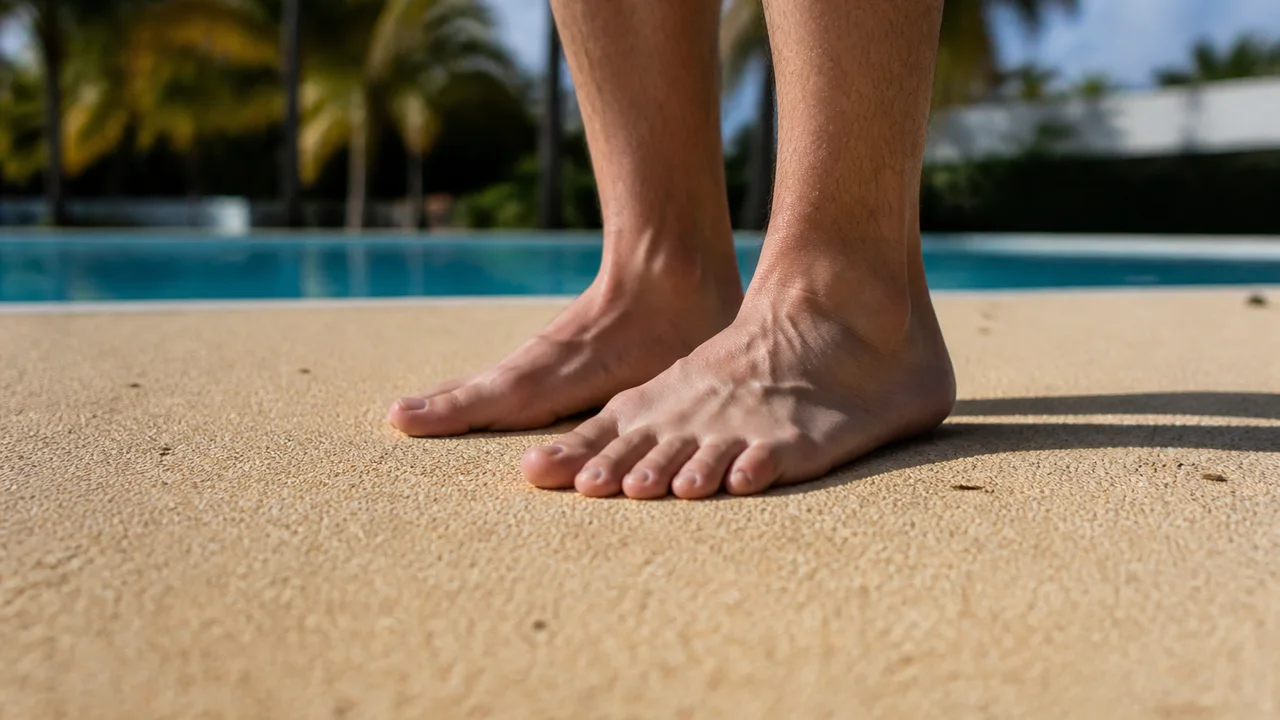 What stays coolest underfoot