How Much Does Stone Carpet Cost in Florida?
Stone carpet in South Florida runs 8 to 14 dollars per sq ft installed, with base prep, crack treatment, priming and a 2 year workmanship warranty inside that rate. Marble chip sits at the low end, river pebble at the top.
Stone carpet in South Florida runs about $8 to 14 per sq ft installed, with base preparation, crack treatment, priming and a 2 year workmanship warranty included in that rate. Marble chip builds sit at the lower end of the range and river pebble builds at the upper end. Aggregate size, slab condition, access and total area move the rate within the band, and only a site measurement fixes the final number.
Price is usually the first question on a decorative surface. This page breaks down what sits inside the per sq ft rate for stone carpet, what pushes it up or down, and how it compares against the other ways to redo a Florida deck.
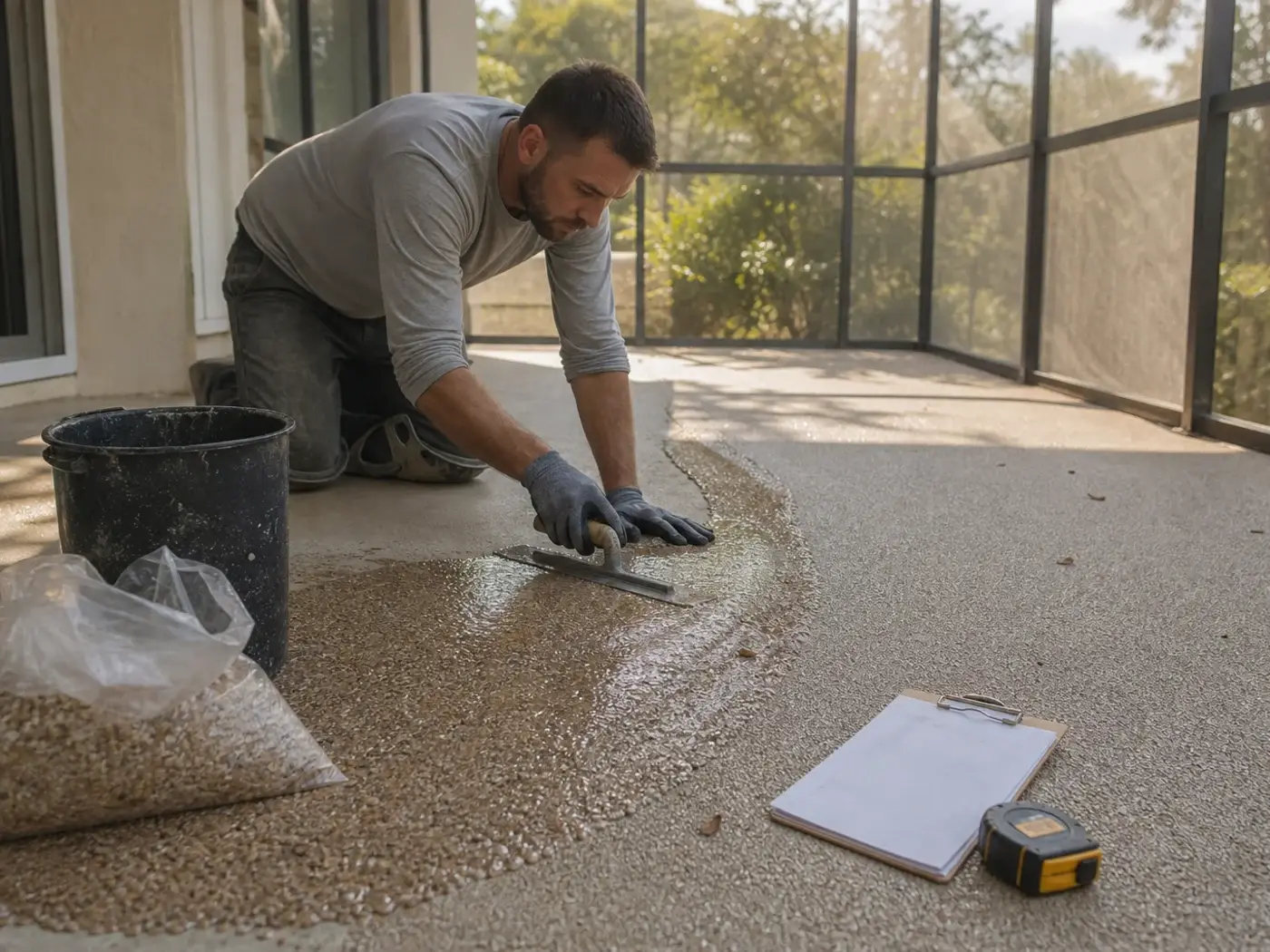
What goes into stone carpet cost
A stone carpet rate has 2 parts, the material and the labor to install it. Quoted per square foot the 2 are bundled together, and on a typical residential deck the split runs roughly 40 percent material to 60 percent labor.
That ratio explains most of what follows. Anything that slows a crew down moves the rate more than the choice of stone does.
What the material costs
Material cost tracks the aggregate first.
- Marble chip is the standard build and sits at the bottom of the range. It is crushed, widely available and comes in the broadest color selection
- Quartz aggregate sits in the middle. It is harder and more tightly graded, which gives a smoother and more uniform face
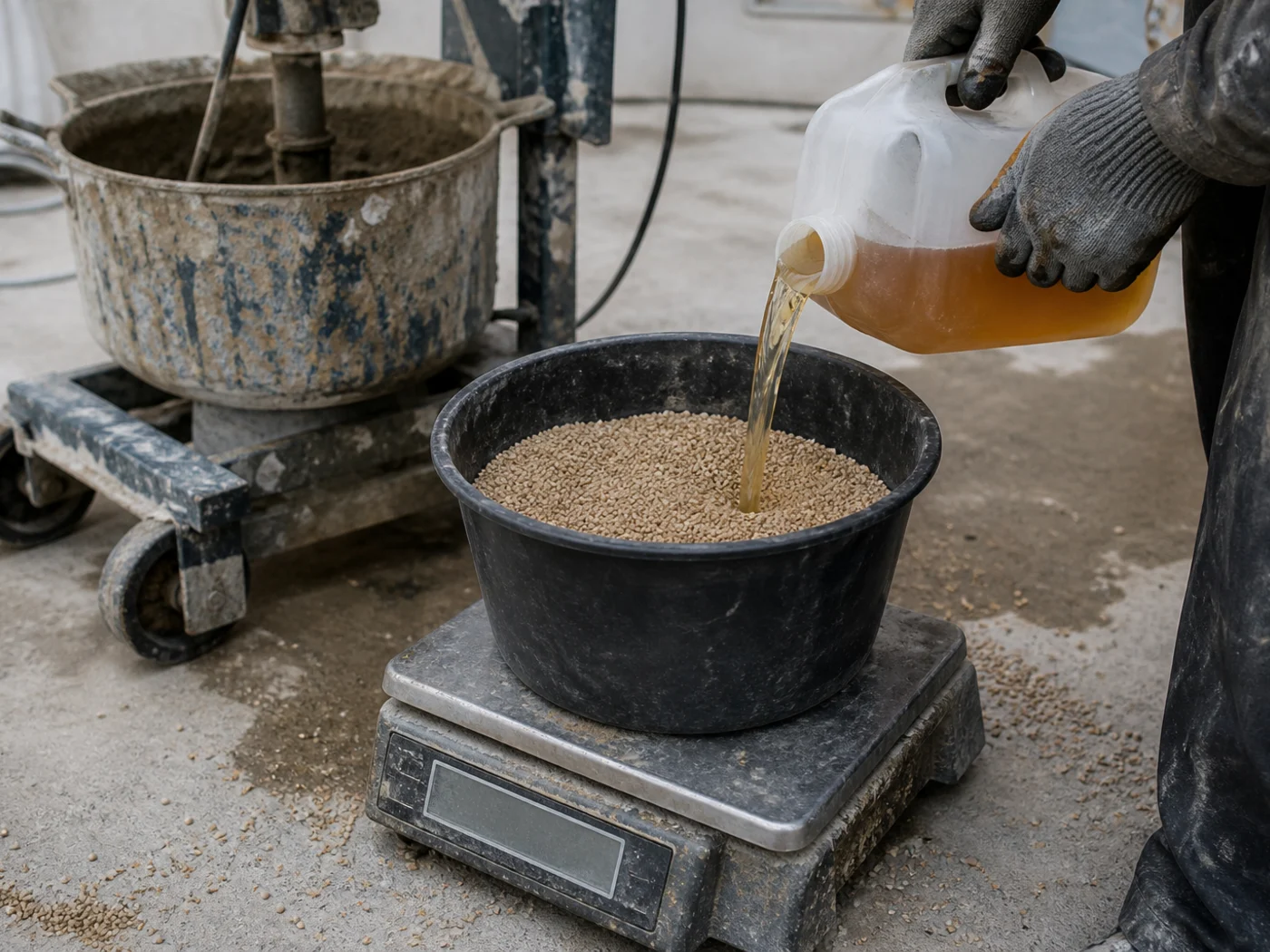
- River pebble sits at the top. The stone is rounded, washed and graded rather than crushed, and it takes more binder to lock together
The binder is the other material line. An aliphatic polyurethane resin costs more than an aromatic one and is the only sensible choice outdoors in Florida, because it resists UV and does not yellow. Saving money there is the most expensive decision available on this job.
| Aggregate | Place in the range | Reason |
|---|---|---|
| Marble chip | Bottom | Crushed and widely available |
| Quartz | Middle | Harder and tightly graded |
| River pebble | Top | Rounded, takes more binder |
| Fine stone at 0.08 to 0.16 inch | Pushes the rate up | Needs more binder per volume |
| Coarse stone at 0.3 to 0.5 inch | Pulls the rate down | Needs less binder |
Installed stone carpet runs 8 to 14 dollars per sq ft in South Florida. Marble chip sits at the bottom of that band, quartz in the middle, river pebble at the top.
What turnkey installation covers
Installed stone carpet across Broward, Miami‑Dade and Palm Beach runs $8 to 14 per sq ft.
That rate covers base preparation, crack routing and treatment, priming, mixing and troweling the aggregate, edge and transition detailing, and cleanup afterward. The site visit and measurement are free, and a 2 year workmanship warranty is included.
What it does not cover is structural repair of a failed slab, new drainage, or demolition of an existing surface that has to come off first. Those are quoted as separate lines once the deck has been seen.
What moves the price per sq ft
6 things account for nearly all of the movement inside the range.
- Aggregate type. Marble chip is the cheapest, river pebble the most expensive because of its grading and texture
- Aggregate size. Fine stone at 0.08 to 0.16 inch costs more per square foot than coarse stone at 0.3 to 0.5 inch, because finer grades need more binder to coat the same volume
- Area. Rates drift toward the bottom of the range on jobs above roughly 5,000 sq ft, since mobilization and setup spread across more footage
- Slab condition. A sound level slab primes and pours straight away. One that needs grinding, crack routing or leveling adds directly to the labor line
- Layout. Curves, steps, planters, drains and narrow side yards all slow a crew and push the rate up
- Access. A rooftop terrace or a gated courtyard with no truck access costs more than an open driveway 30 feet from the pour
How it compares with other surfaces
Installed rates for the common South Florida alternatives, all per square foot.
| Surface | Installed rate per sq ft | Service life |
| Stone carpet | $8 to 14 | 10 to 15 years |
| Poured rubber deck | from $8 | 10 to 15 years |
| Demolition and new pavers | $25 to 40 | 15 to 25 years |
| Thin roll on deck coating | $2 to 6 | 1 to 3 years |
The coating line is the one that misleads people. At $2 to 6 per sq ft it looks like the obvious answer until it starts peeling, and 3 recoats inside 6 years costs more per square foot than doing the job once.
Stone carpet sits in the middle of the group and carries no ongoing repair or resealing cost. Spread across a 10 to 15 year life, its cost per square foot per year is usually the lowest of the 4.
How to estimate your own project
2 numbers set the rate, the square footage and the condition of the slab.
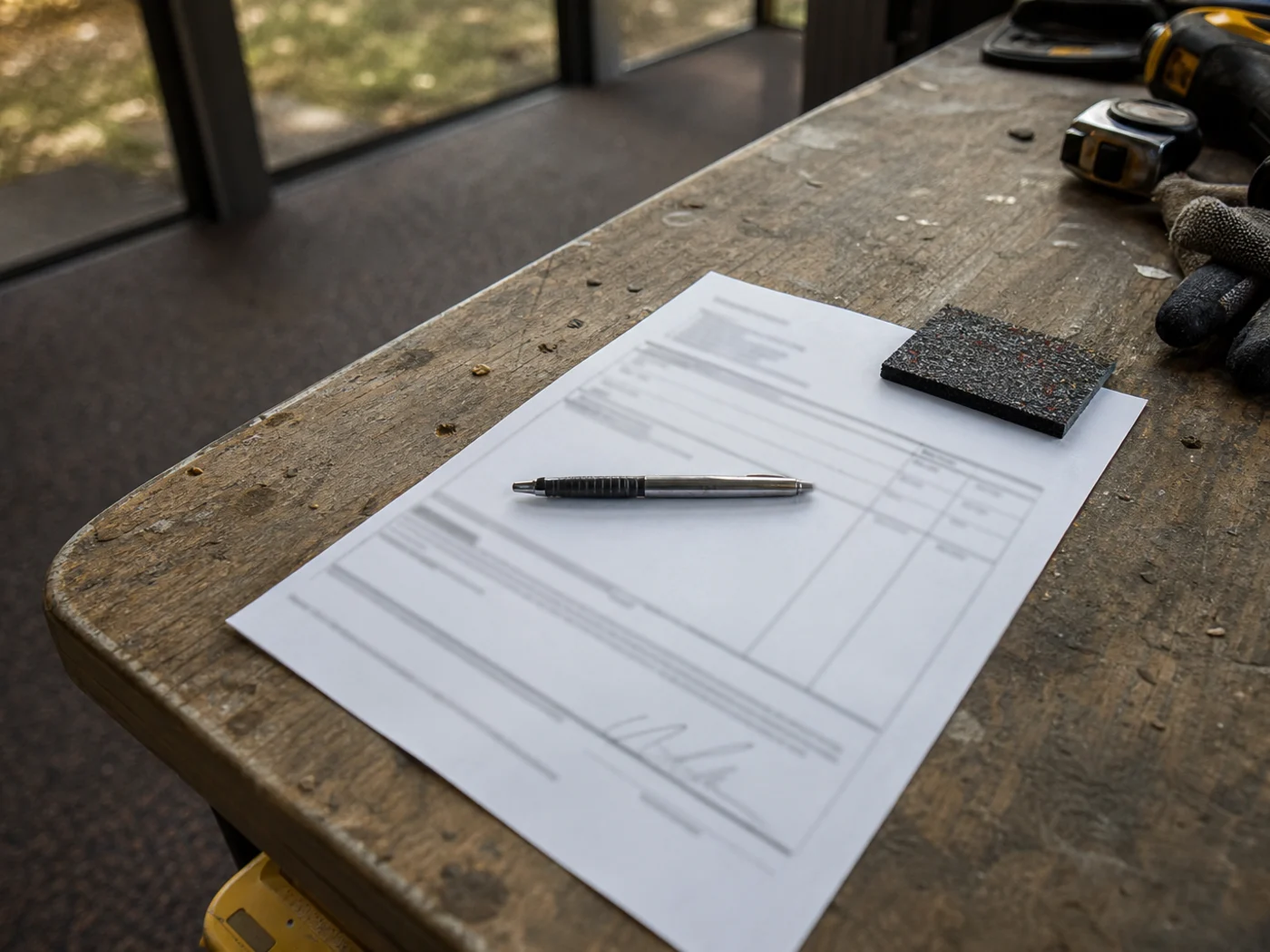
Measure the area in square feet, taking length by width for each section and adding the sections together. Measure stairs and treads separately, since they carry noticeably more labor per square foot than open deck.
Then look hard at the slab. Hairline cracking is normal and gets treated during preparation. Spalling, active movement, hollow sounding patches or water that stands after rain all mean the base needs work before any surface goes down, and that changes the number.
Multiply your square footage by the range above for a planning figure, then confirm it against a written quote taken from an on site measurement. A free Deck Check settles both the footage and the slab condition in about 30 minutes.
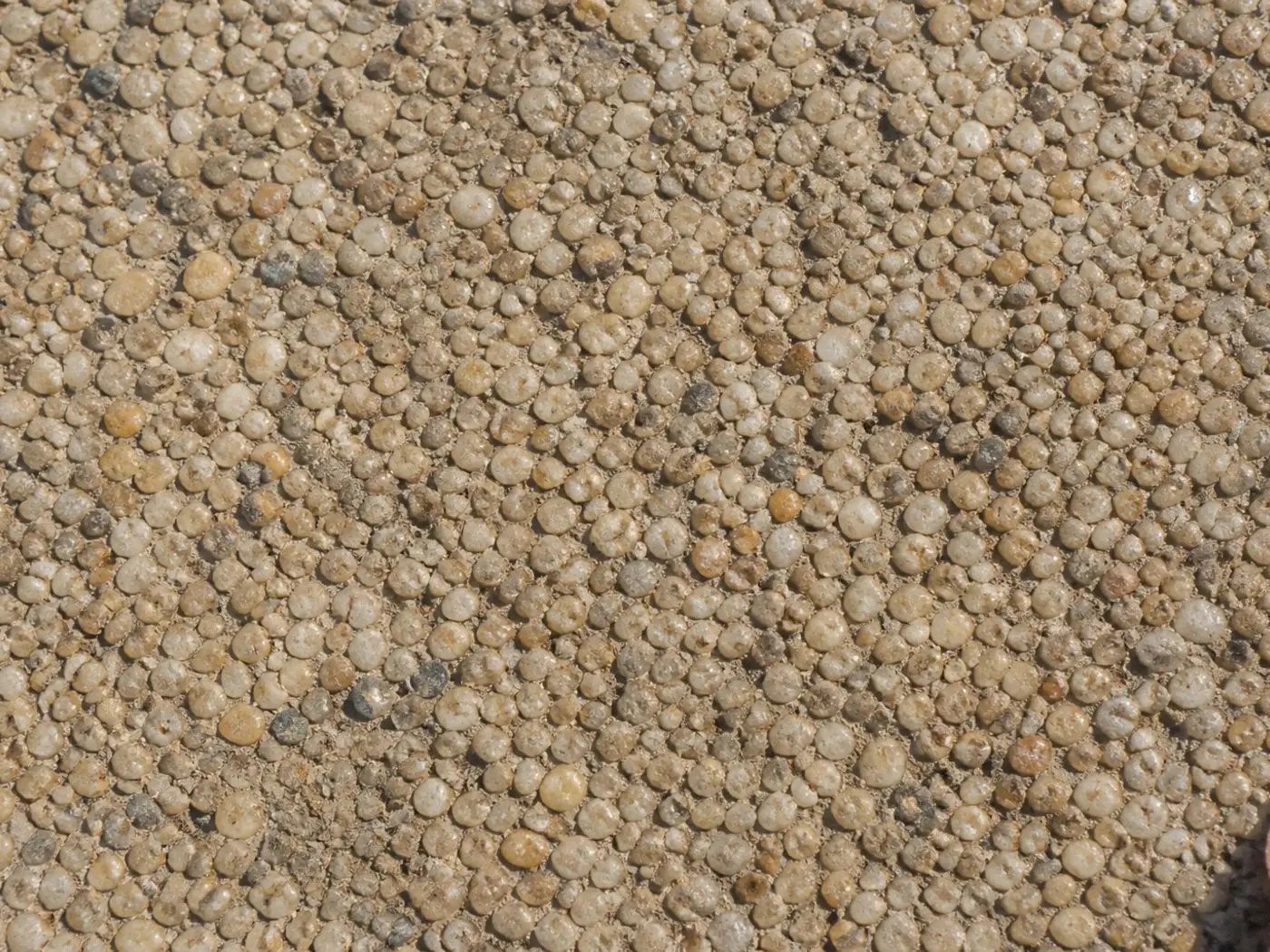 Stone carpet, the whole thing
 Stone carpet against pavers