Stone Carpet Installation Mistakes to Avoid
Written by the crew that installs it
Almost every stone carpet failure comes from the installation, not the material. The 10 faults behind nearly all of them are weak substrate preparation, no primer, a binder that is not UV stable, an off ratio mix, the wrong aggregate size, pouring outside 50 to 90 degrees F, no drainage, cheap components, a rushed sequence and a crew with no pour experience. Any single one can end a deck inside 2 seasons.
Poured correctly, stone carpet runs 10 to 15 years outdoors in South Florida. The failures that show up at 1 or 2 seasons are almost always process faults, and each one is avoidable at no extra material cost.
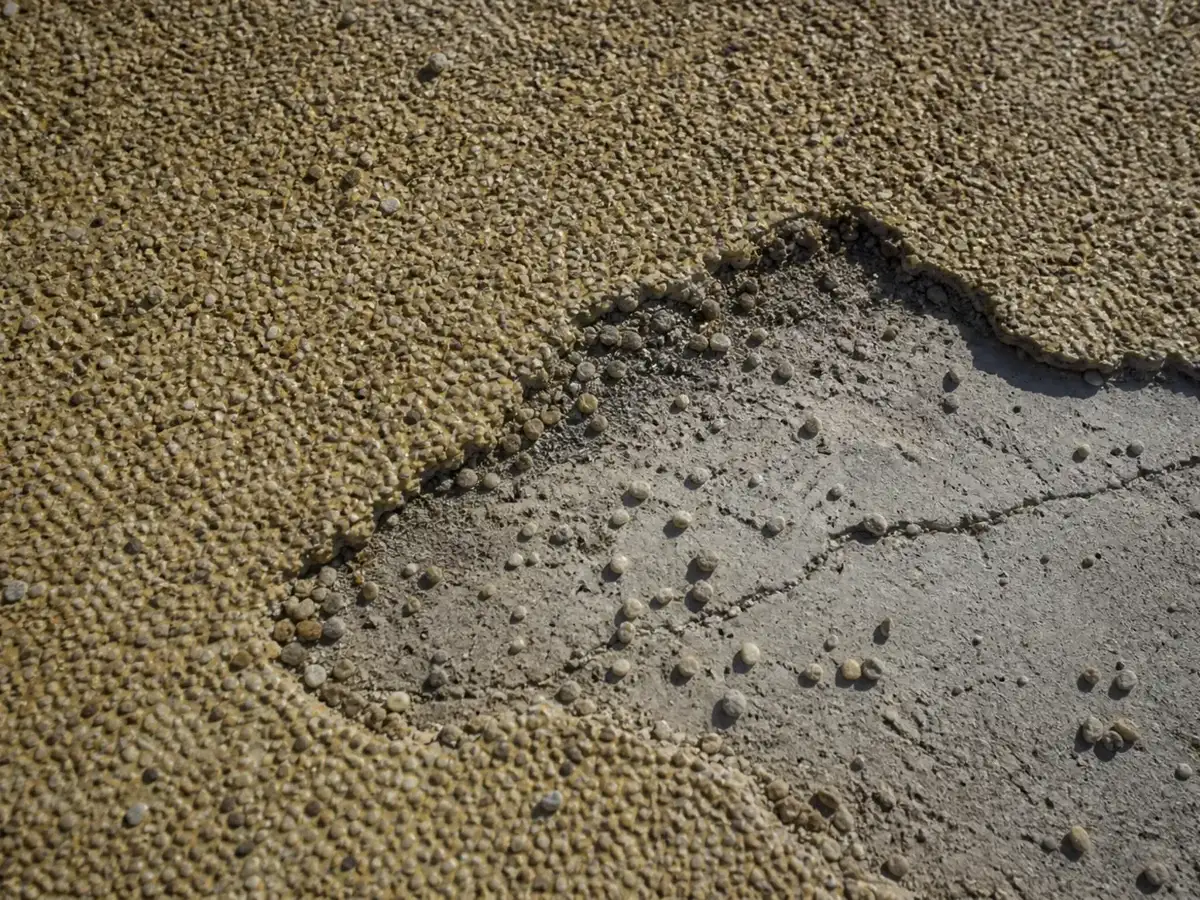
What follows is the short list, in the order the faults appear on a job, from the day the substrate is inspected to the day the crew walks off.
Why stone carpet fails
The aggregate itself is stone. It does not wear out. The binder is a polyurethane resin with a known service life. Neither component is normally the reason a deck comes apart.
Failures cluster around 5 root causes. The substrate was not sound or not clean. The binder was the wrong chemistry for sun exposure. The mix ratio drifted from the data sheet. The pour happened in conditions the material could not cure in. Or water had nowhere to go once it drained through.
Each of those produces a recognizable symptom. Delamination points at the substrate. Ambering points at the resin. Crumbling and a loose surface point at ratio. A glossy film that will not drain points at too much binder. Reading the symptom backwards usually names the fault within a minute of standing on the deck.
1. Skipping substrate preparation
This is the single most common fault and the most expensive to correct, because the fix is removal.
The substrate has to be structurally solid, dry, free of dust, and free of cracks and hollow areas. Concrete needs about 28 days of cure before it takes a coating, and moisture should read at or below 4 percent.
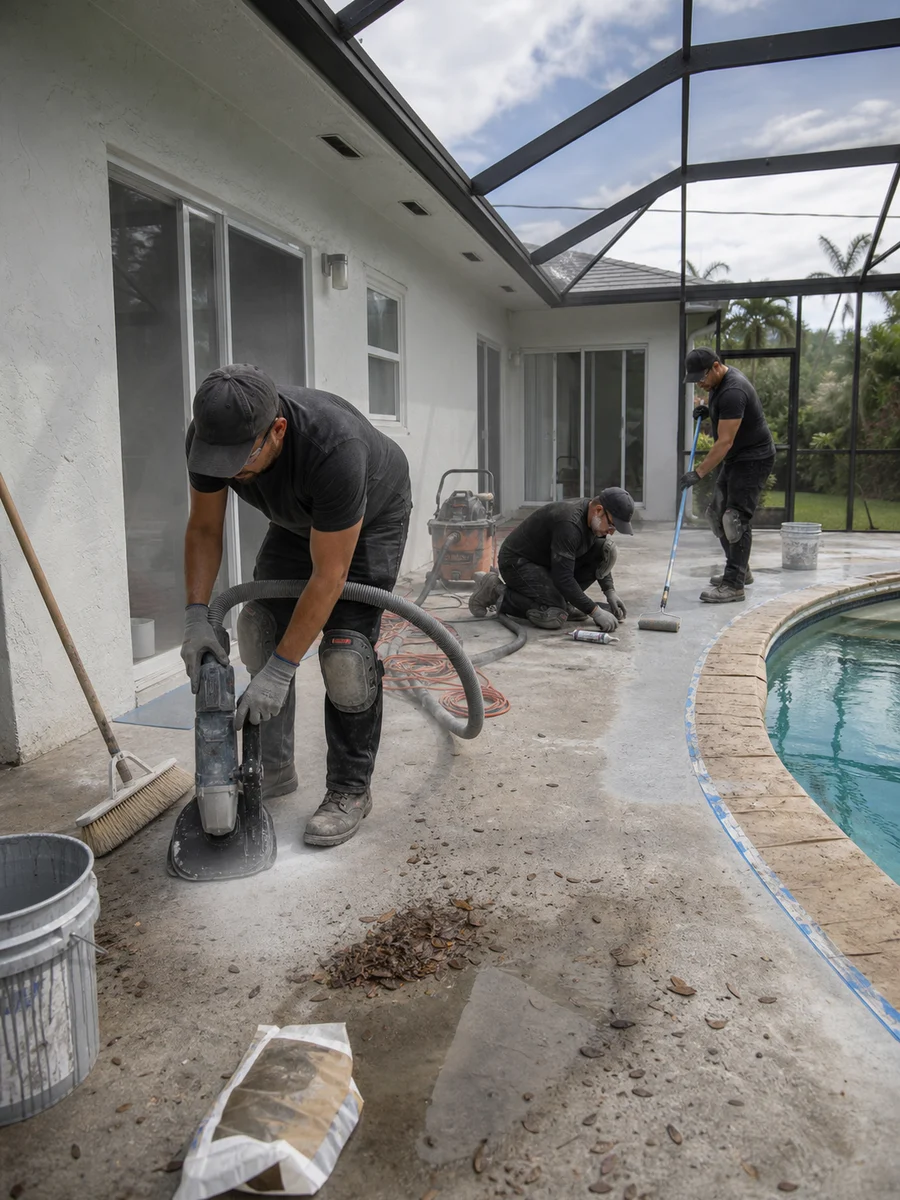
Curing compound, sealer and laitance all block adhesion. Mechanical preparation removes them. Grinding or shot blasting opens the surface profile so the primer can key into it, and a shop vacuum takes the dust off before anything wet goes down.
Skip that and the surface loses grip on the substrate. Delamination starts at edges and hollow spots, cracks in the slab telegraph straight through the pour, and adhesion never reaches the value the material is rated for.
2. Leaving out the primer
Priming looks like a step worth saving an hour on. It is not.
Primer does 2 jobs. It bonds chemically to the prepared substrate and gives the binder something consistent to grab, and it seals the porosity so the concrete does not pull binder out of the mix while it cures.
Without primer the bond is patchy, binder soaks unevenly into open areas, and the finished surface ends up softer in some places than others. On a porous slab the loss can be enough to leave the top layer visibly under bound.
A polyurethane or epoxy primer suits most substrates. It has to be dry to the touch before the mix goes down, which in Florida humidity usually means planning the pour around it rather than chasing it.
3. Choosing a binder that is not UV stable
Binder chemistry is where budget pressure does the most damage on outdoor work.
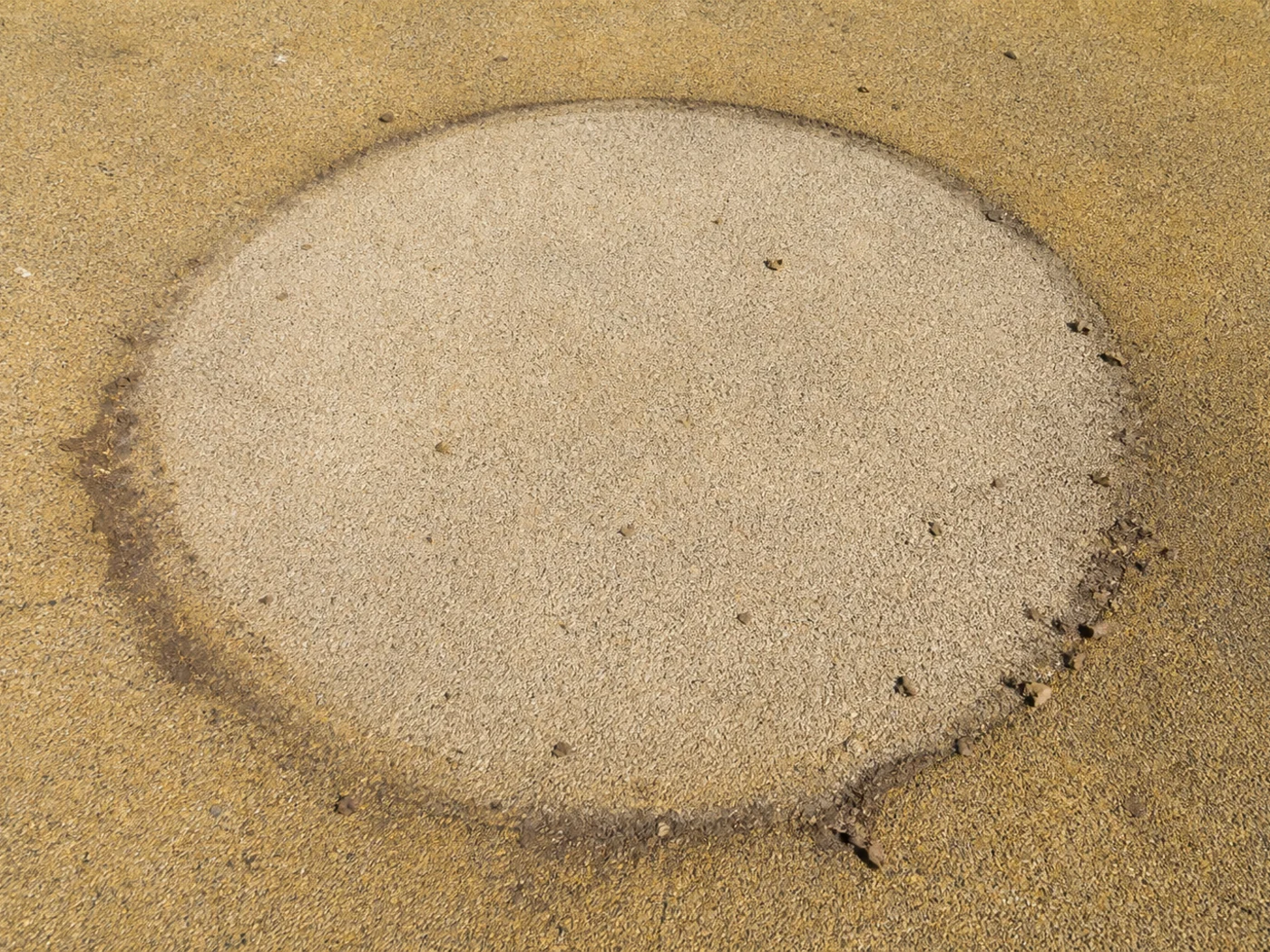
Aromatic polyurethane resins are cheaper and cure fine, but they amber under ultraviolet light and eventually chalk at the surface. Aliphatic polyurethane resists ultraviolet breakdown, stays clear, and keeps its flexibility through heat cycling.
The visible difference arrives within a season or 2 of direct Florida sun. On dark aggregate the shift can be acceptable. On white marble chip or pale quartz it reads as a yellow cast across the whole deck and there is no way to reverse it.
Discoloring is the obvious symptom. The quieter one is embrittlement, where the resin stiffens, loses the ability to move with the slab, and starts releasing stone at traffic points.
4. Mixing the wrong binder ratio
Binder is measured by weight against the aggregate, and the working window is narrower than it looks.
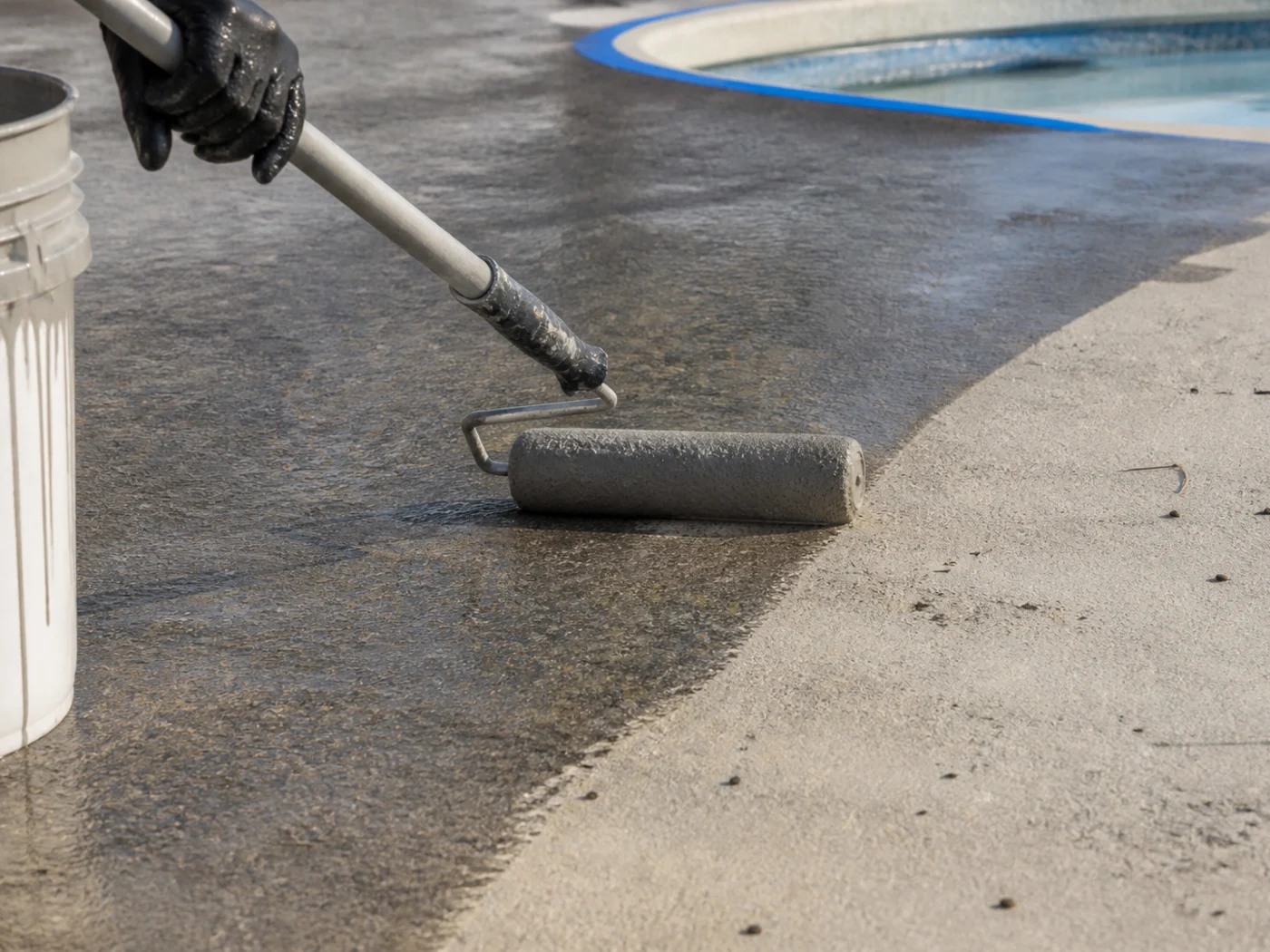
Too little binder and the stones never lock together. The surface sheds aggregate under a broom, feels loose underfoot, and wears open at traffic lines within months.
Too much and the excess fills the voids that make the surface permeable. Water stops draining through, the finish takes on a glassy film instead of visible stone texture, and trapped resin can foam as it reacts with moisture in the air or the slab.
Follow the ratio on the manufacturer data sheet and weigh it rather than estimate it. Mix full batches, use a forced action mixer, and run the batch long enough that every stone is coated before the mix leaves the drum.
5. Specifying the wrong aggregate size
Aggregate size sets drainage rate, texture and comfort underfoot, so getting it wrong compromises all 3 at once.
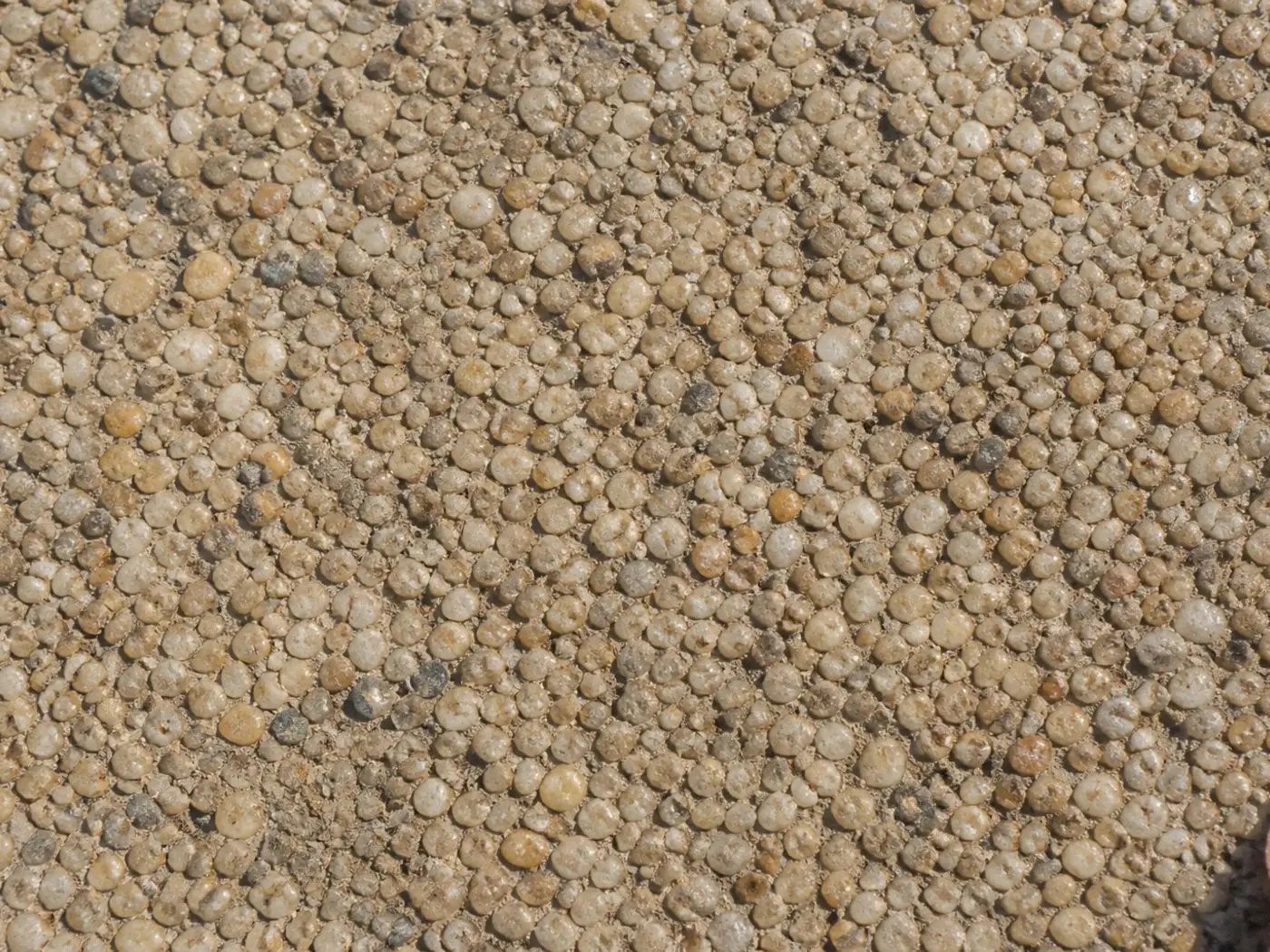
Stone at 0.08 to 0.2 inch is the general purpose grading and handles most patios, lanais and walkways. Stone at 0.16 to 0.3 inch drains faster and hides staining better, which suits pool surrounds and areas that take heavy rain.
Go finer than 0.08 inch and the voids close up. Drainage slows, the surface holds water and dirt, and the permeability that justified the material in the first place disappears.
Go coarser than 0.3 inch and the texture turns sharp. That is a problem anywhere people walk barefoot, and it also makes the pour harder to trowel flat because the stones bridge instead of consolidating.
6. Pouring at the wrong temperature
Polyurethane cure is driven by temperature and ambient moisture, and both swing hard on a South Florida site.
The working range is 50 to 90 degrees F measured at the substrate, not in the shade. Below 50 degrees F the reaction slows, the pour stays soft for days and never develops full strength. Above 90 degrees F the pot life collapses and the mix stiffens in the wheelbarrow before the crew can level it.
High humidity accelerates the reaction and can drive foaming in the binder, which leaves a pitted surface. Rain on an uncured pour is worse and usually means the affected area comes back out.
The practical answer is scheduling. Start early, work small bays, watch the slab temperature through the afternoon, and stop ahead of the daily storm rather than race it.
7. Building a deck with no drainage
Stone carpet drains through itself. That is only useful if the water has somewhere to arrive.
The substrate needs 1 to 2 percent of fall away from the structure, roughly 1 inch of drop across 8 feet. Flat slabs and slabs that pitch back toward the house both trap water at the bond line.
Standing water under the pour does 3 things over time. It softens adhesion, it feeds staining and biological growth that shows through a light aggregate, and on any slab with a drainage path underneath it moves fines out and undermines support.
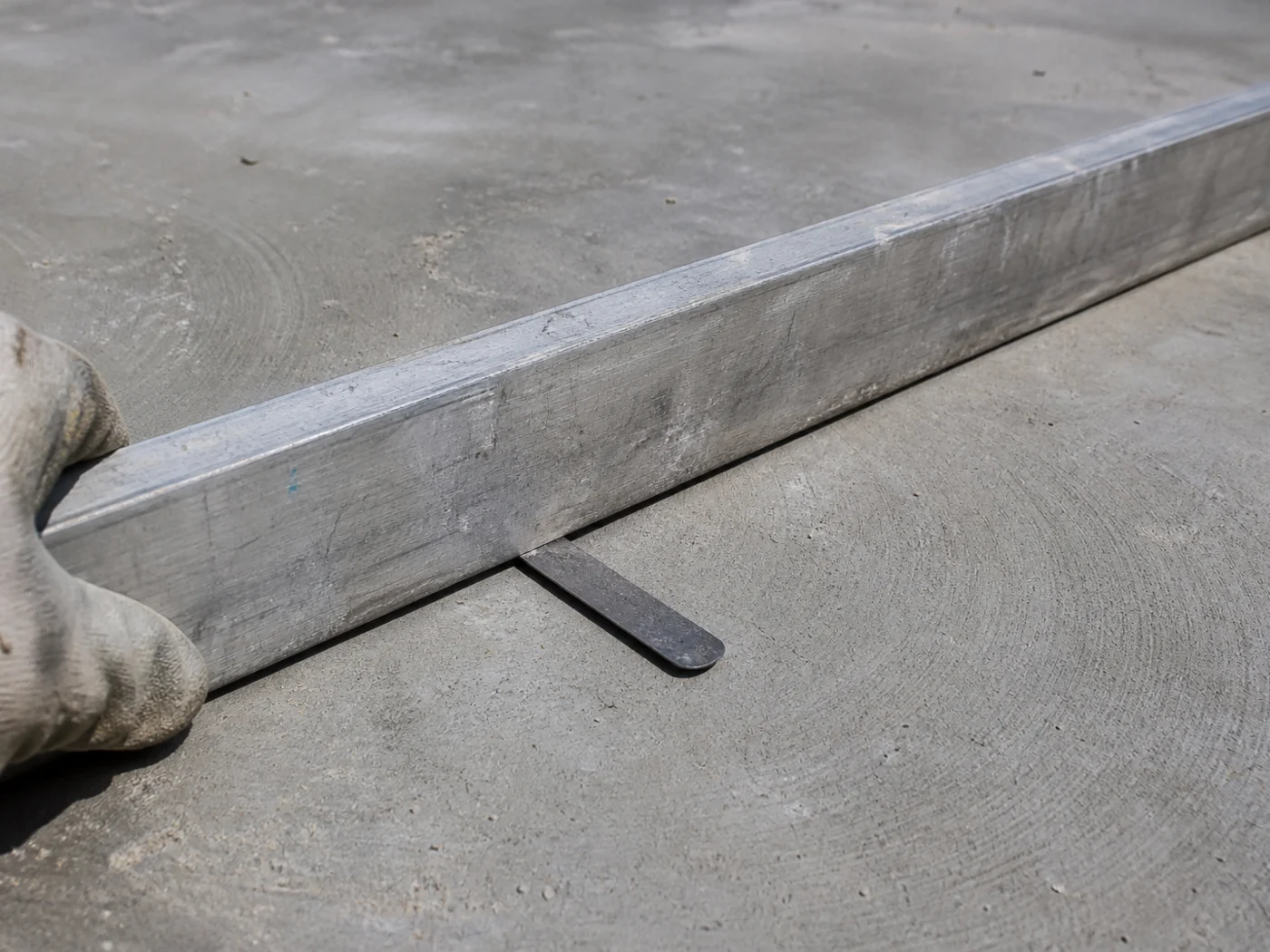
Where an existing slab has no fall, the correction happens before the stone carpet goes down. A leveling screed can build the slope, and added deck drains or a channel at the low edge give the water an exit.
8. Buying on price alone
The material package is a small share of the installed cost and the largest share of the risk.
Cheap components fail in predictable ways. Unwashed or poorly graded aggregate carries dust that blocks the binder from wetting the stone. Off brand resin cures inconsistently between batches. Aromatic binder sold as suitable for outdoor use ambers on schedule.
The saving is small and the exposure is not. A resin downgrade might trim a modest amount per square foot, while a full replacement costs the original install plus demolition of the failed surface.
Ask for the data sheet on every component before the job starts. If the resin is not identified as aliphatic and the aggregate is not washed and graded, the price difference is explaining itself.
9. Ignoring the installation sequence
Stone carpet is placed by hand and it records every shortcut taken while it was still workable.
Uneven distribution leaves thin areas that wear through early and thick areas that hold water. Poor consolidation leaves voids under the surface that collapse later. Working past the stated pot life produces a mix that will not knit, so the pour cures as separate patches with visible cold joints between them.
Edges and transitions carry the same risk. Where the pour meets pool coping, a threshold or a drain, a rushed detail lets water track under the surface instead of off the deck.
The discipline is simple. Mix only what the crew can place inside the working time, keep a wet edge across each bay, and finish to a consistent depth measured rather than judged by eye.
10. Hiring a crew with no pour experience
Every fault above is a judgment call made on site, usually under time pressure and in weather that is changing.
Correct materials do not rescue a crew that has not poured before. Reading substrate moisture, calling off a pour because the slab hit 95 degrees F, holding a wet edge across a large bay and detailing an edge at a drain are all learned rather than looked up.
3 things are worth confirming before work starts. That the crew has poured this specific system, that the binder is identified in writing, and that substrate preparation and priming are itemized rather than assumed.
Stone carpet is unforgiving in that it cannot be lifted and reset. It cures once, and whatever the crew did that day is the surface for the next decade.
How to avoid all 10 mistakes
- Grind or shot blast the substrate and vacuum it before priming
- Confirm substrate moisture at 4 percent or lower and 28 days of concrete cure
- Prime every substrate and let the primer set before the pour
- Specify an aliphatic polyurethane binder for anything the sun reaches
- Weigh the binder and aggregate to the ratio on the data sheet
- Use aggregate at 0.08 to 0.2 inch unless drainage argues for coarser stone
- Pour between 50 and 90 degrees F, off the hottest hours and ahead of rain
- Build 1 to 2 percent of fall away from the structure before anything goes down
- Hold traffic off for 24 hours and furniture off for 72 hours
How the 3 parts of the system connect
A stone carpet deck is 3 things working together, and each one can be undone by the other 2.
The aggregate sets appearance, texture and drainage rate. The binder sets colorfastness, flexibility and bond strength. The installation sets depth, consolidation and how the surface meets its edges.
That is why single fault diagnosis rarely holds up. A premium binder over an unprepared slab still delaminates. A perfectly prepared slab under an aromatic resin still ambers. Correctly graded stone placed past its working time still cures as patchwork.
Specifying a deck means checking all 3 before the crew arrives, because none of the 3 can be corrected once the resin has reacted.
What to take away
Stone carpet fails on process, not on material. The 10 faults above account for the overwhelming majority of decks that come apart early.
The controlling items are a prepared and primed substrate, an aliphatic binder, a weighed mix ratio, 1 to 2 percent of fall, and a pour placed between 50 and 90 degrees F.
Get those 5 right and the normal outcome is 10 to 15 years of service with rinsing as the only maintenance. Miss any of them and the deck announces it within 2 seasons.
 Aliphatic vs aromatic binder
 Stone carpet, the whole thing
 How to pick a contractor