Rubber Stone Or Stone Carpet
Two poured aggregate finishes, one binder holds rubber granule and the other holds natural pebble.
What rubber stone is
Rubber stone is a poured finish that reads like stone aggregate but is made of rubber. Colored granule gets blended with a clear binder and troweled flat, and when it cures you see the individual grains sitting in resin, the same visual language as an exposed aggregate deck. The difference is what your foot lands on. Rubber gives. Stone does not. The names move around in this market. Some crews call it rubber stone, some call it rubber rock or rubber aggregate, and a few use rubber stone for anything poured with granule at all. Ask what the aggregate actually is before you compare two quotes, because that one word changes the temperature, the feel and how the surface ages. Ours is EPDM granule, which is the grade that does not chalk out on a west facing deck.
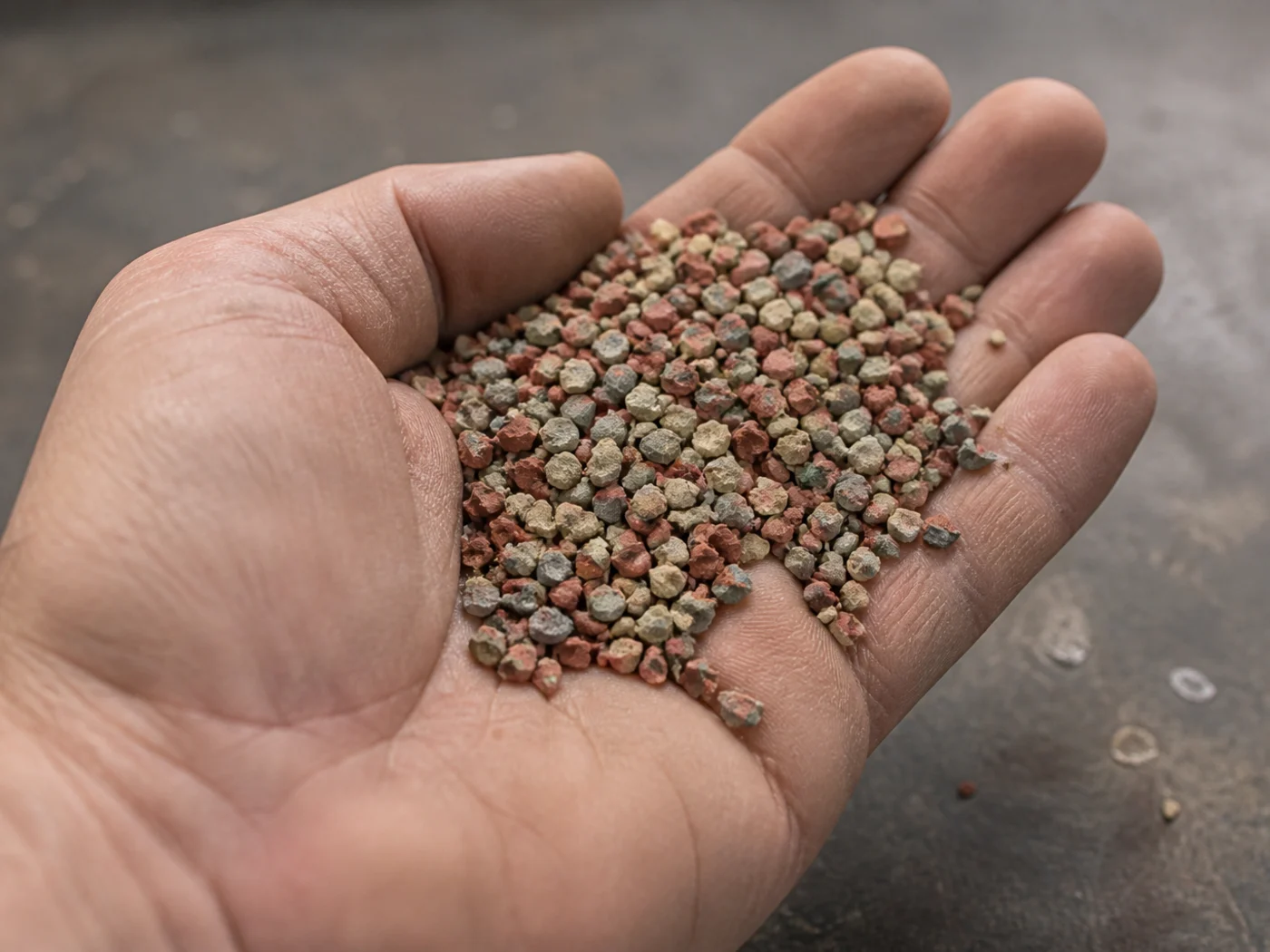
Rubber stone against stone carpet
Same trowel, same crew, different aggregate. Rubber stone runs cooler in the sun and takes the shock out of a fall, which is why it wins next to water and anywhere kids are barefoot. It is softer, so a patio chair leg or a dropped umbrella pole can leave a mark that stone would shrug off, and a very dark blend still heats up. Stone carpet is harder and more abrasive underfoot. Quartz pebble does not compress, so it holds up to furniture, planters and dog nails better, and the color is the rock itself rather than a pigment. With natural pebble the binder is the thing to check, since a cheap aromatic resin ambers in Florida sun over a pale stone and an aliphatic one does not. Both drain through. Both are seamless. Neither one has a joint for weeds or ants.
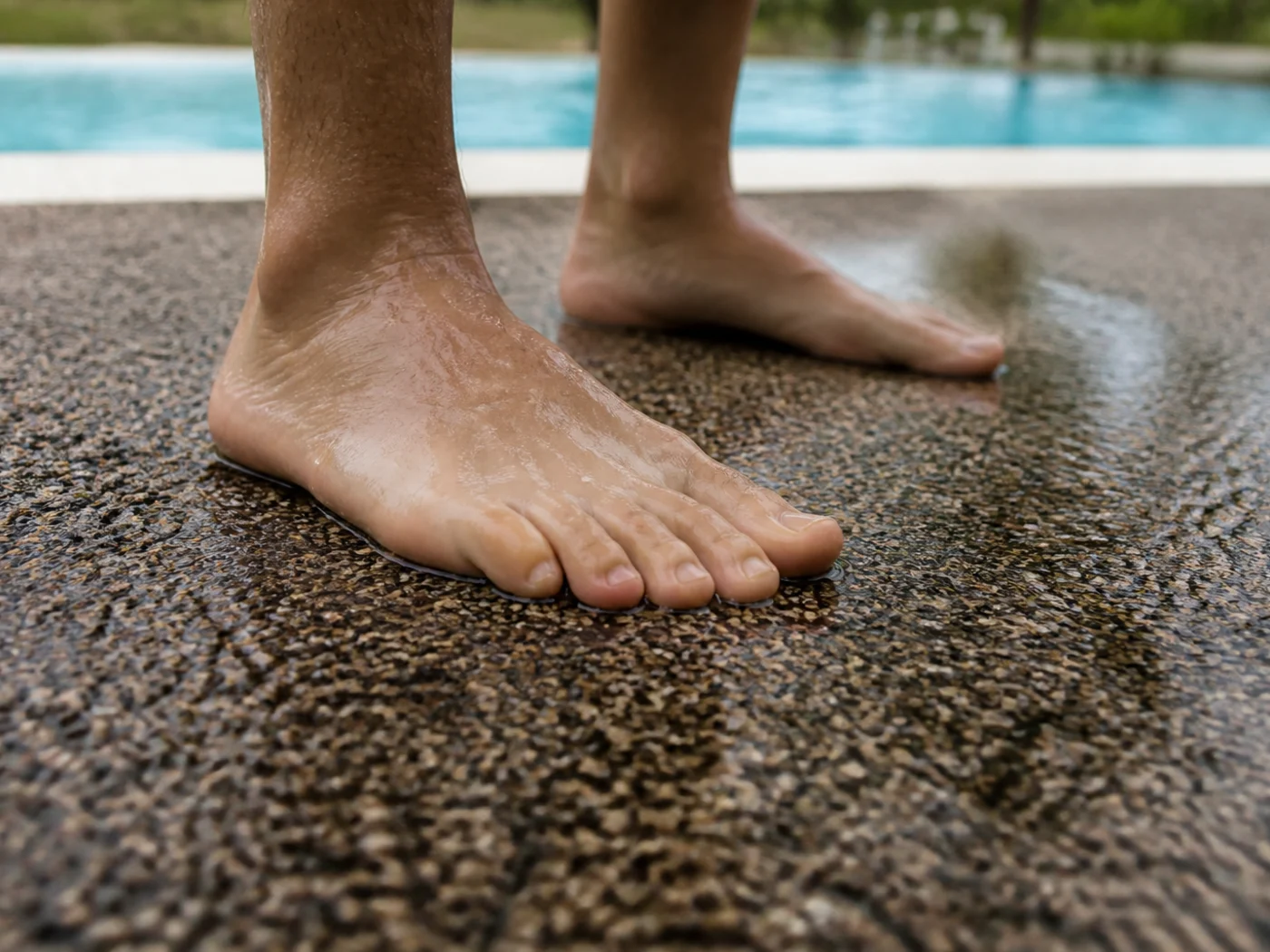
Which one for your slab
Pool surround and anywhere barefoot, pick rubber stone. Heat and impact are the two things that matter within ten feet of water, and rubber wins both. Screened lanai, it is closer. You are usually shaded, the floor stays dry, furniture sits on it all year and the finish is decorative rather than protective, so stone carpet earns its place. Driveway, stone carpet in most cases. Tires turning on a stopped car scrub a soft surface at the same two spots every day, and a hard aggregate takes that better. Rubber still goes on a driveway when the reason is barefoot access or a cracked slab you do not want demolished, and we build it heavier for that. Front walk and patio, either. Pick on look and on whether the family goes out there without shoes.
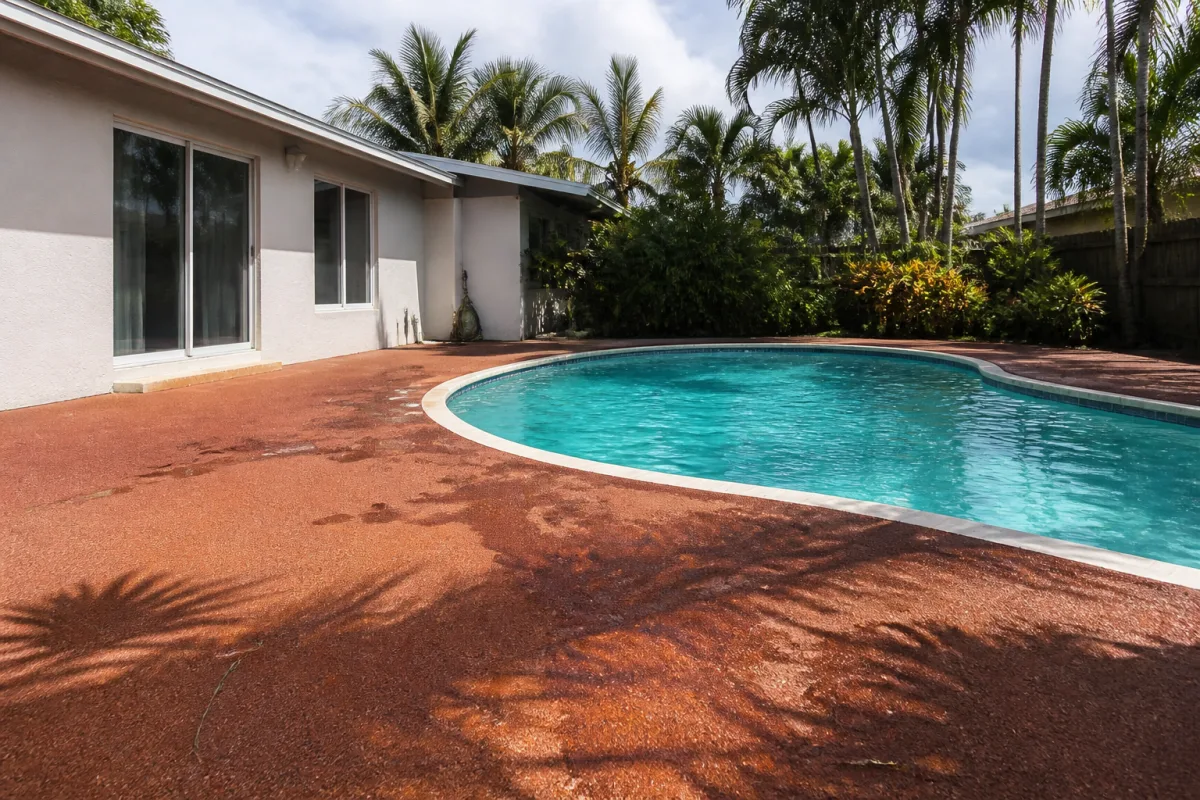
Questions we get
Is rubber stone the same as stone carpet?
No. Both are poured aggregate in binder and both come out seamless, but rubber stone uses rubber granule and stone carpet uses natural quartz pebble. That single swap changes surface temperature, softness underfoot and how the finish wears. Sales language blurs the two constantly, so read the material line on the quote rather than the product name at the top.
Which one is cooler in the Florida sun?
Rubber, clearly. On a 91 F afternoon our light rubber blend read 99 F while bare concrete read 155 F and tile read 134 F on the same property. We did not measure stone carpet that day, so we will not put a number on it. A light blend beats a dark one in either material. If barefoot comfort is the reason you are calling, that decides it.
Which one lasts longer on a busy patio?
Quartz is harder than rubber, so on a surface that takes furniture, planters and traffic every day, stone carpet holds its face longer. Rubber trades some of that for give and for temperature. Neither fails at a joint, because neither has one. Both carry our 2 year workmanship warranty, and both can be repaired in place rather than torn out.
Does rubber stone cost more than stone carpet?
Both start at 8 dollars per sq ft installed. What separates two quotes on the same driveway is depth, how much of the area is colored granule, and what the concrete under it needs before anything goes down. You get one fixed written price after the free measurement within 24 hours, with the aggregate named on it, so you are comparing like for like.
If natural pebble in clear resin is the side you lean toward, the blends and the build live on our stone carpet page.